
THE 1940s
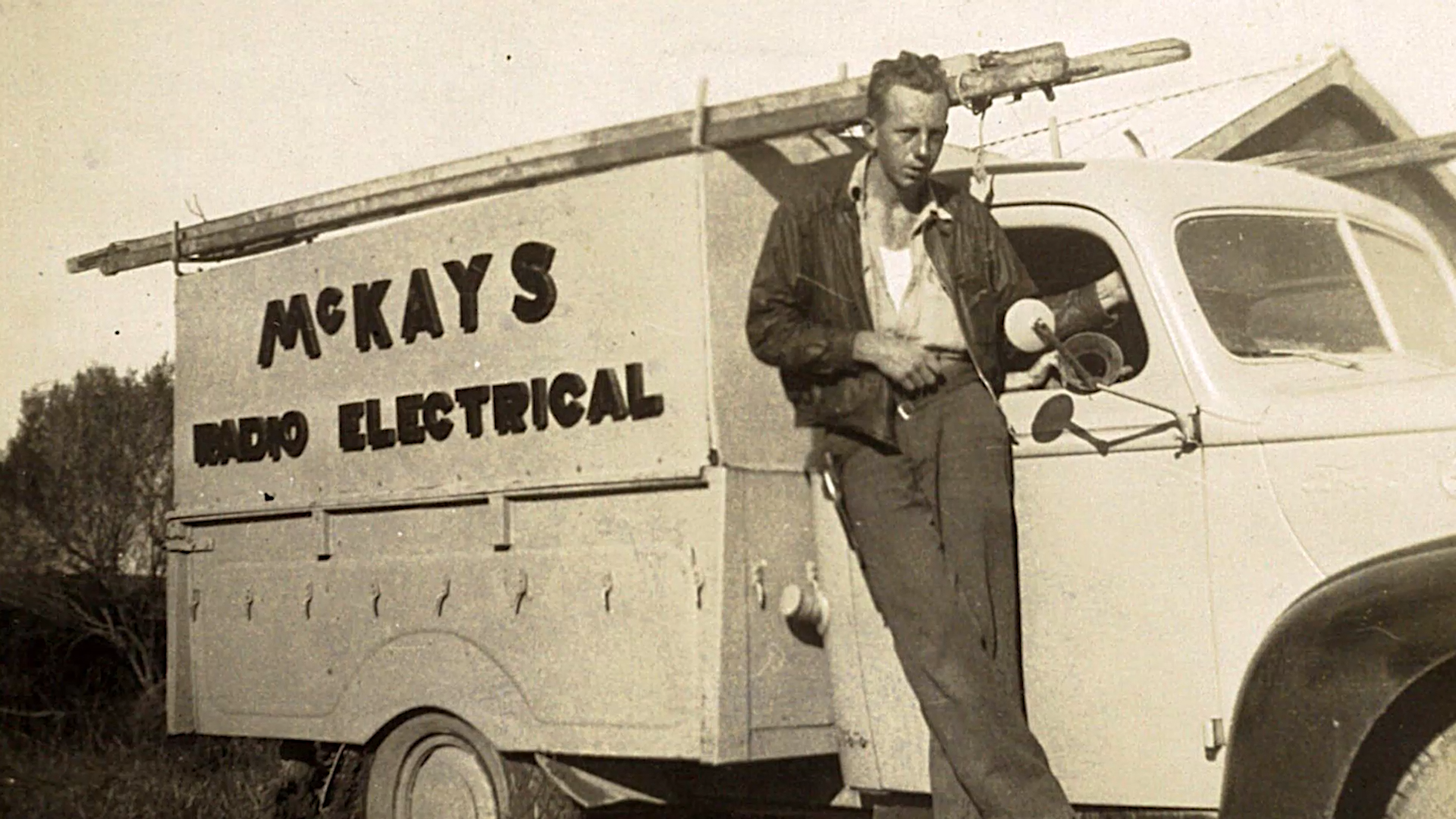
The 1940s saw McKay navigate a decade of change shaped by wartime challenges. Amid material shortages and a shifting workforce, the business adapted and grew, laying the foundations for a resilient company ready to meet the opportunities emerging in post-war New Zealand.
The 1940s marked a defining decade of expansion for McKay, shaped by both the impact of the Second World War and New Zealand’s rapid post-war transformation. As the country mobilised for war, many skilled tradesmen enlisted, creating new opportunities for those able to keep essential services operating. In this environment, McKay took its first major step beyond Dargaville, opening a branch on Vine Street in Whangārei after purchasing an electrical business from Nev Barnaby, who sold the company when he joined the armed forces.
On 23 December 1943, McKay Electrical Whangārei was formally registered as a separate company, reflecting the growing scale and geographical reach of the business. The new branch was managed by Peter Walker, a former McKay apprentice and wartime Spitfire pilot.
In January 1944, 14-year-old Joe Faithfull famously approached McKay Electrical in Dargaville seeking work. Turned away for being too young, he returned a week later on his 15th birthday and was given a job earning 15 shillings a week. Joe began in the radio room before moving into electrical contracting and completing his apprenticeship. By 1947, he had qualified as an electrical wireman and was promoted to foreman, managing returned servicemen employed by McKay – a reflection of the business’s role in supporting veterans re-entering the workforce.
As the war ended and New Zealand entered a period of reconstruction, McKay expanded further, opening branches in Kaikohe and Kaitaia. This growth aligned closely with national trends. The Rehabilitation Act of 1941 encouraged returning soldiers into employment and home ownership, driving a surge in state house construction and infrastructure development. With a nationwide shortage of skilled labour, demand for electricians soared, and apprenticeships became a highly valued pathway into stable careers.
The post-war economic boom also transformed household life. As more families gained access to electricity, demand for appliances such as washing machines, refrigerators, and radios increased rapidly. McKay was well positioned to meet this need, combining electrical contracting with retail and long-term commercial relationships, including a major contract with New Zealand Window Glass Limited secured by Joe Faithfull.
KEY LEADERSHIP OF THE DECADE
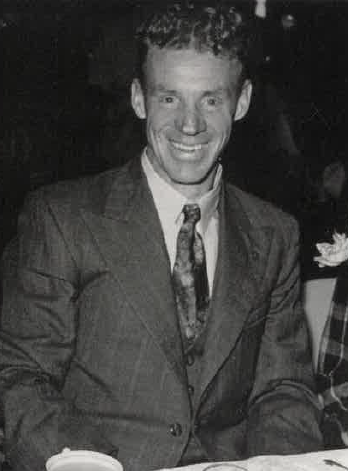
Tom McKay
- Role:
- Director
- Start:
- 1936
- End:
- 1982
Tom McKay was the founder of McKay Limited, a pioneering entrepreneur whose resilience, leadership, and vision built the foundations of one of the most enduring electrical contracting businesses in Aotearoa, New Zealand.
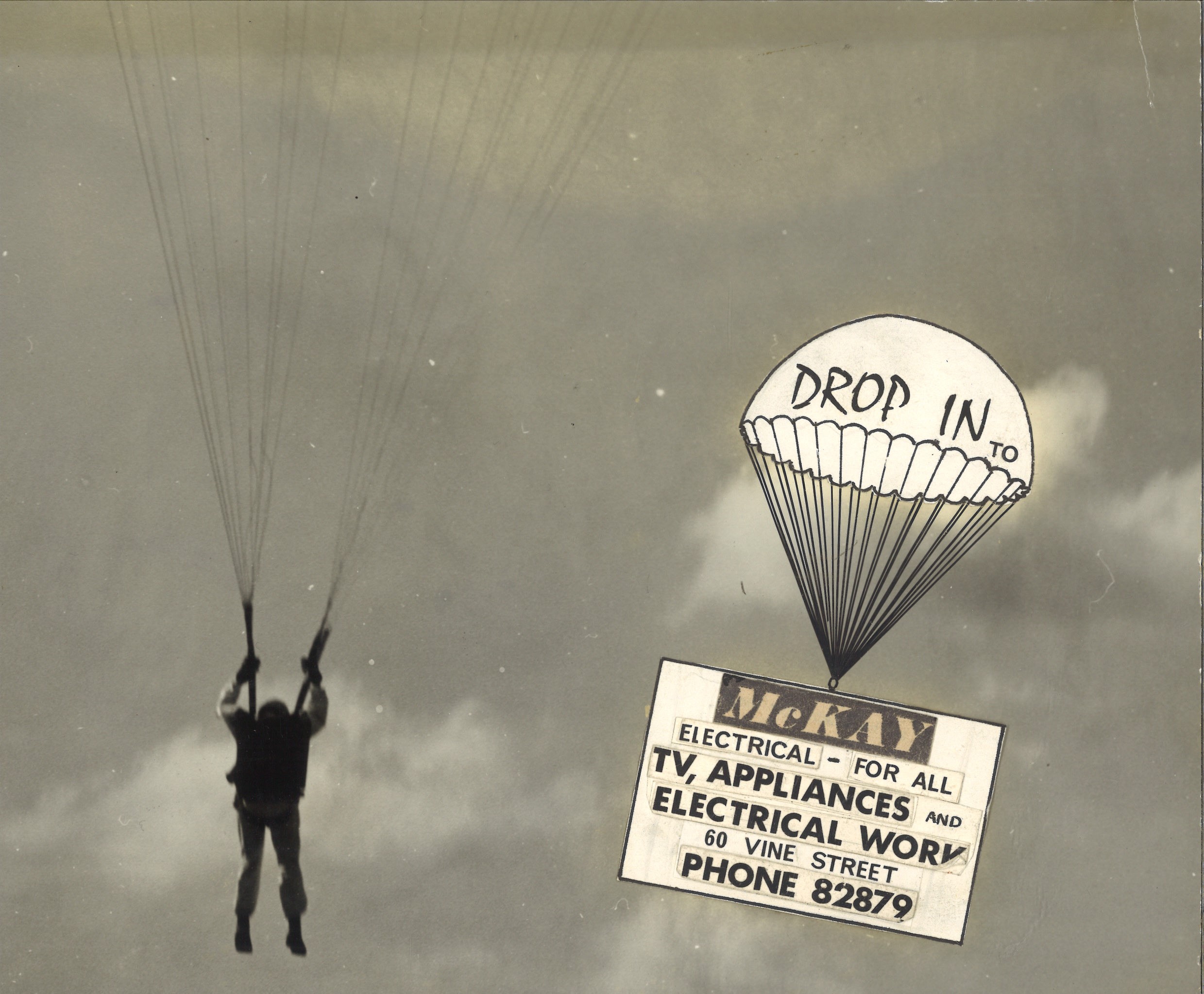
1943 • McKay Electrical Whangārei was founded
On 23 December 1943, a new company was formed under the name McKay Electrical Whangārei, as a separate entity from McKay Electrical Co Limited in Dargaville.
1944 • Joe Faithfull entered the company
At the age of 15, Joe Faithfull joined McKay Electrical as an apprentice.
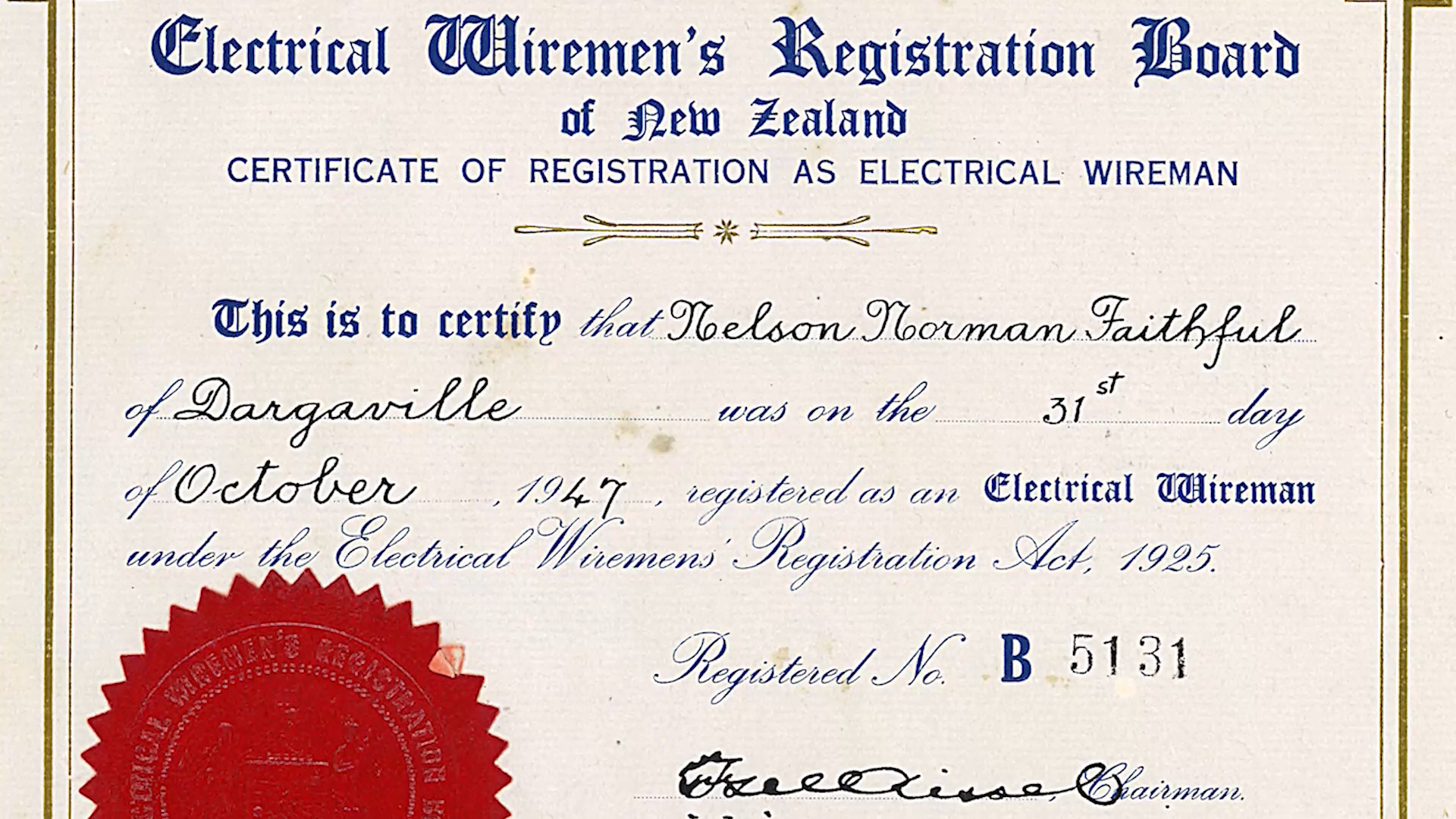
1947 • Joe qualified as an electrical wireman
Joe Faithfull qualified and received his registration as an electrical wireman under the Electrical Wireman’s Registration Act of 1925.
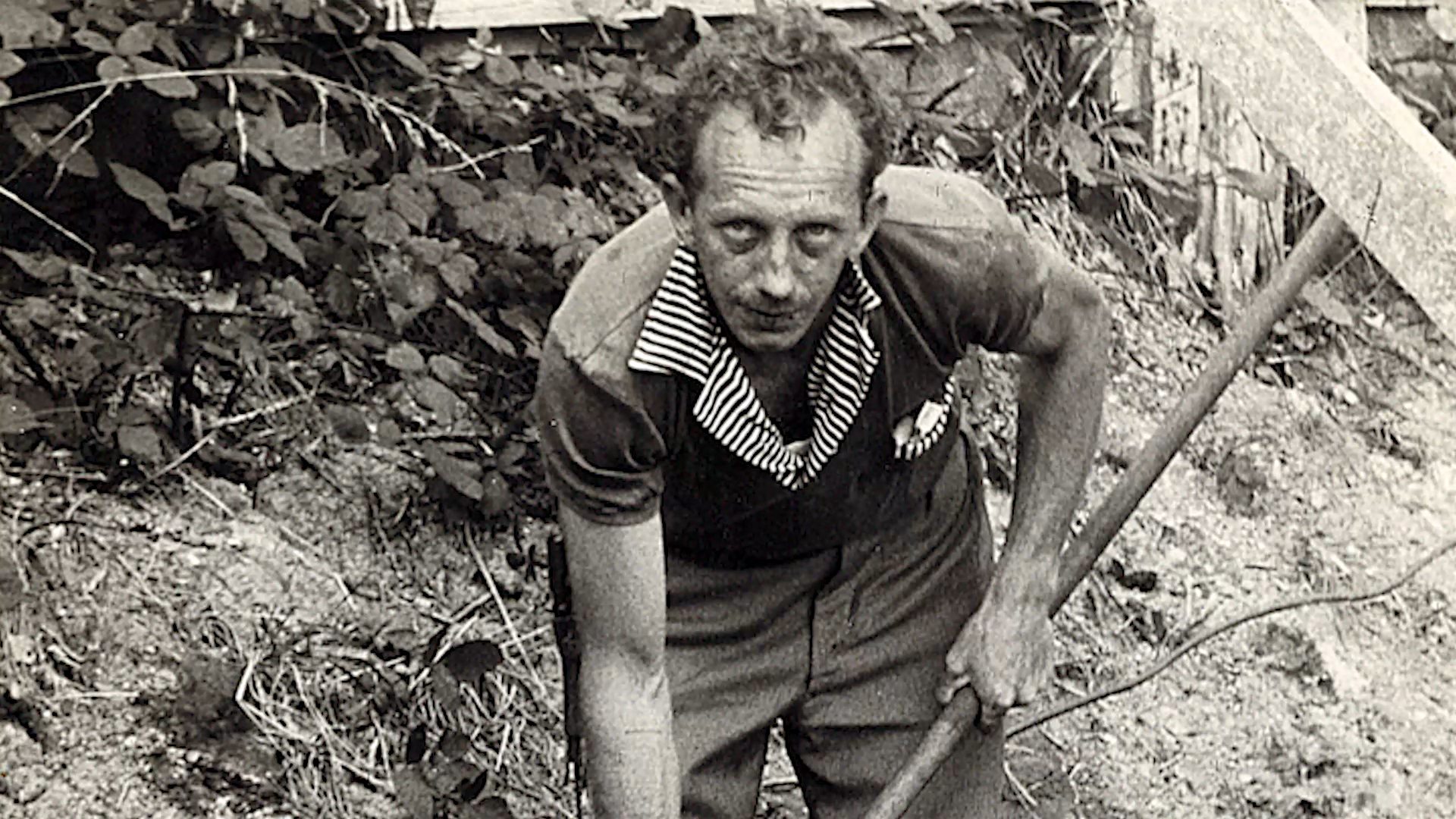
1948 • Joe was promoted to foreman
Joe quickly advanced at McKay, becoming foreman just six months after qualifying and managing a team of returned Second World War servicemen.