
THE 1950s
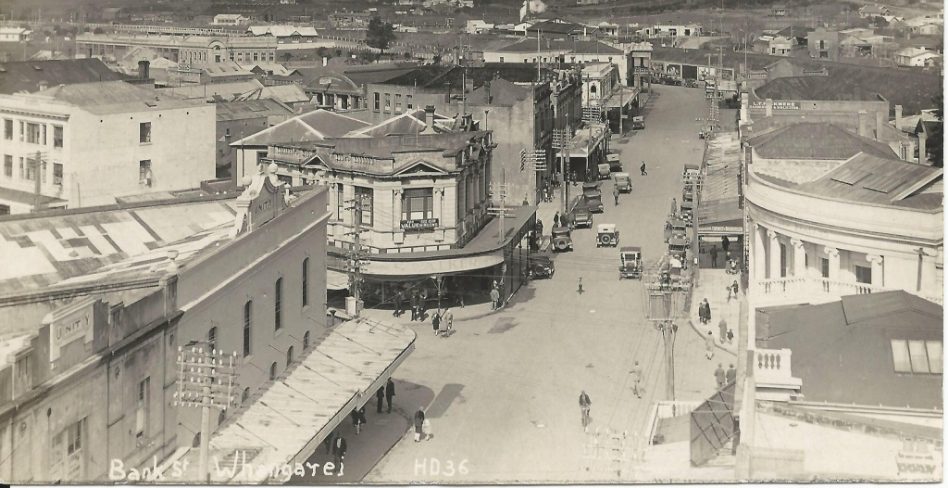
The 1950s saw McKay grow alongside a post-war New Zealand finding its footing again. As rationing ended and the economy strengthened, rising living standards and a rapidly expanding population created steady demand for electrical services across both homes and industry.
The decade was shaped by the post-war ‘baby boom’, which saw New Zealand’s population increase by nearly 400,000. With virtually no unemployment and a strong, export-led economy built on wool, meat, and dairy, households began to modernise. Refrigerators and washing machines became commonplace, signalling a shift towards electrically powered living and creating consistent demand for skilled electrical work – an environment in which McKay continued to build its reputation.
As Northland communities grew, so too did McKay’s footprint. New branches were established in Kaikohe and Kaitaia, extending the company’s reach across the region. Frank Pidd, Tom McKay’s first apprentice, relocated north to manage the Kaikohe operation, reflecting the company’s focus on developing trusted people to lead its expansion.
In the early 1950s, Joe Faithfull left New Zealand for work opportunities in Australia, reflecting a broader trend of skilled workers seeking experience overseas during the post-war years. Around five years later, at the request of Tom McKay, he returned to Dargaville. On his return, Joe accepted a one-third shareholding in both the Dargaville and Whangārei companies, along with the role of Contracts Manager. He was soon sent to lead operations in Whangārei, where increasing industrial activity presented new opportunities. His ability to secure a major contract with New Zealand Window Glass Limited established a relationship that would endure for two decades, reinforcing McKay’s growing presence in the industrial sector.
By the late 1950s, McKay was operating from three separate locations in Whangārei – Vine Street, John Street, and Water Street. While this reflected the company’s steady growth, it also hinted at the operational challenges that would come with expansion. As New Zealand continued to prosper and modernise, McKay entered the next decade as a regionally established business, well positioned to respond to the increasing scale and complexity of electrical work in a changing nation.
KEY LEADERSHIP OF THE DECADE
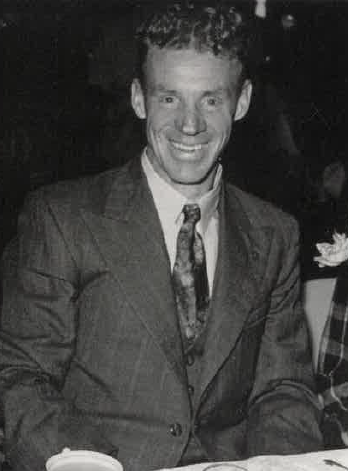
Tom McKay
- Role:
- Director
- Start:
- 1936
- End:
- 1982
Tom McKay was the founder of McKay Limited, a pioneering entrepreneur whose resilience, leadership, and vision built the foundations of one of the most enduring electrical contracting businesses in Aotearoa, New Zealand.
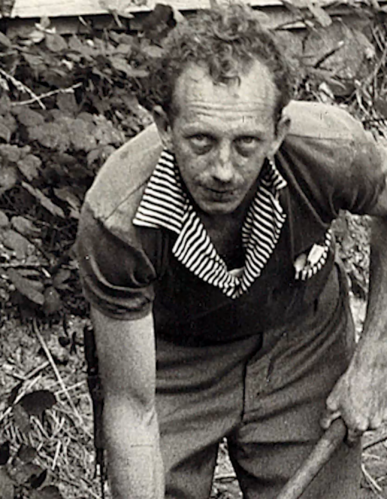
Joe Faithfull
- Role:
- Director
- Starting role:
- Apprentice
- Start date:
- 1944
- End date:
- 2015
Joe Faithfull was the driving force behind McKay’s growth into a national and international electrical powerhouse – a visionary leader whose innovation, work ethic, and belief in people transformed a small Northland business into one of the largest privately owned electrical companies in Aotearoa, New Zealand.
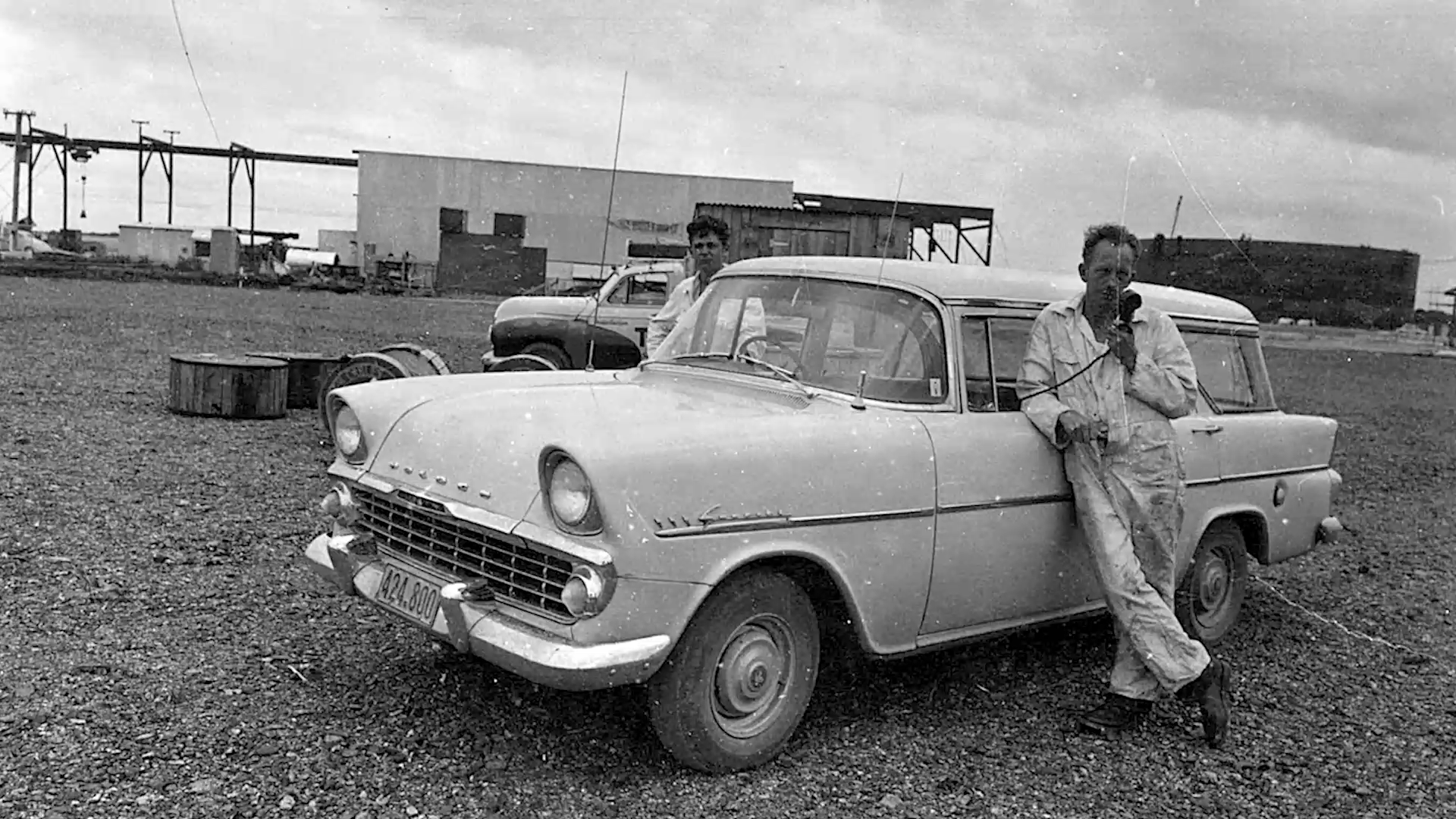
1955 • Joe Faithfull became a company shareholder
In the mid-1950s, Joe returned to New Zealand at Tom’s request and received a one-third shareholding in the Dargaville and Whangārei companies.
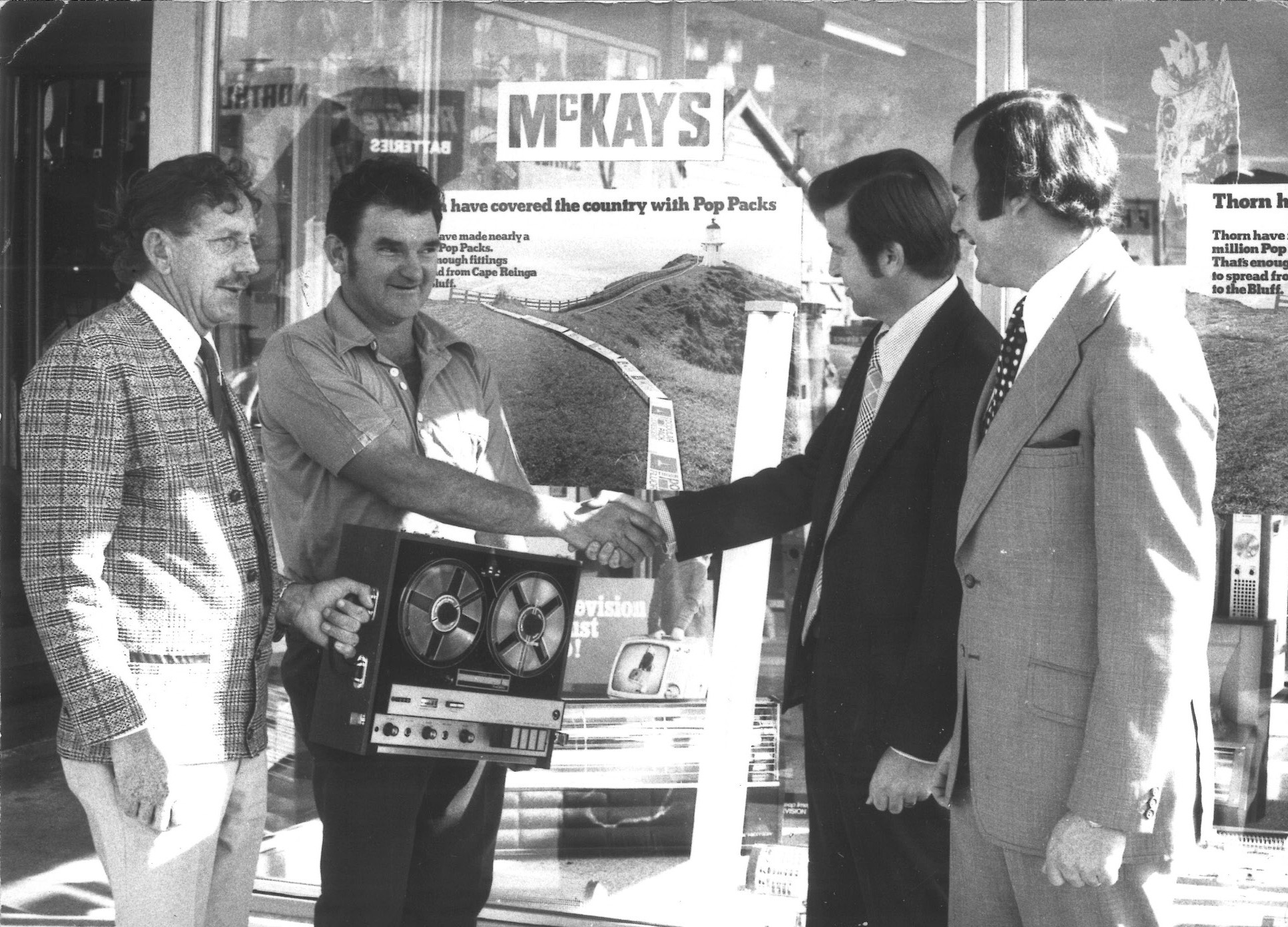
1955 • Dargaville and Kaikohe shops granted Fisher & Paykel franchises
Soon after Joe returned to New Zealand, the Dargaville and Kaikohe shops were granted Fisher & Paykel franchises for Leonard refrigerators and Savaday washing machines.