
THE 2000s
As McKay entered the new millennium, the company began a 25-year trajectory of sustained growth and diversification, aligning closely with New Zealand’s increasing focus on exports, energy efficiency, and international engagement.
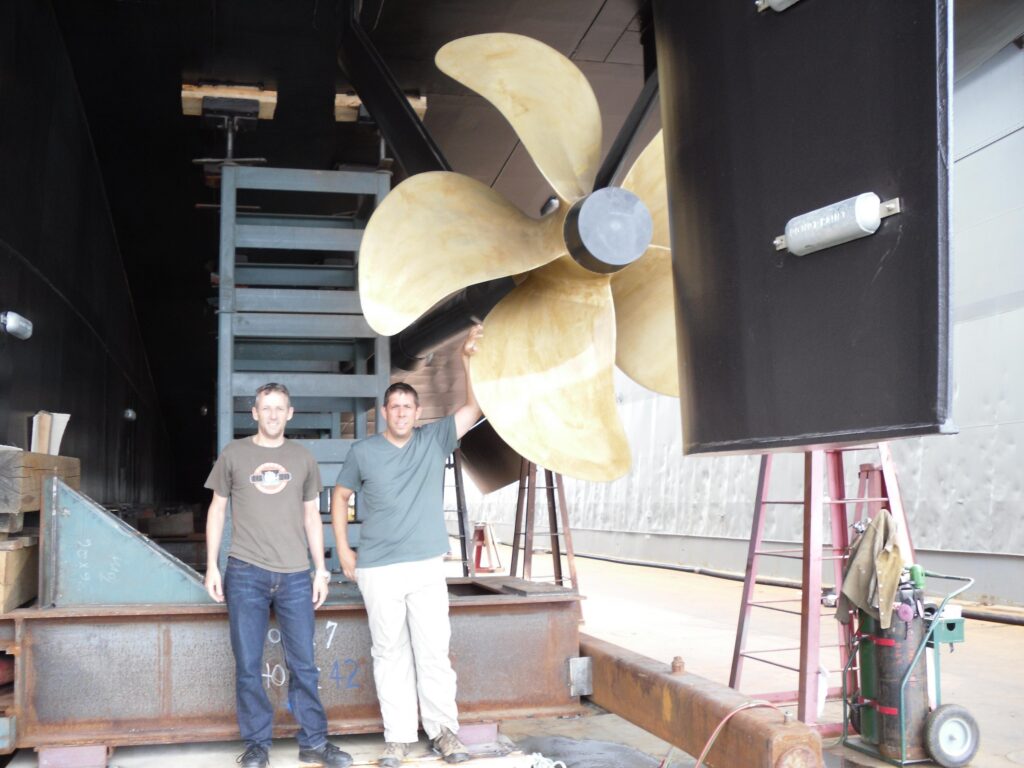
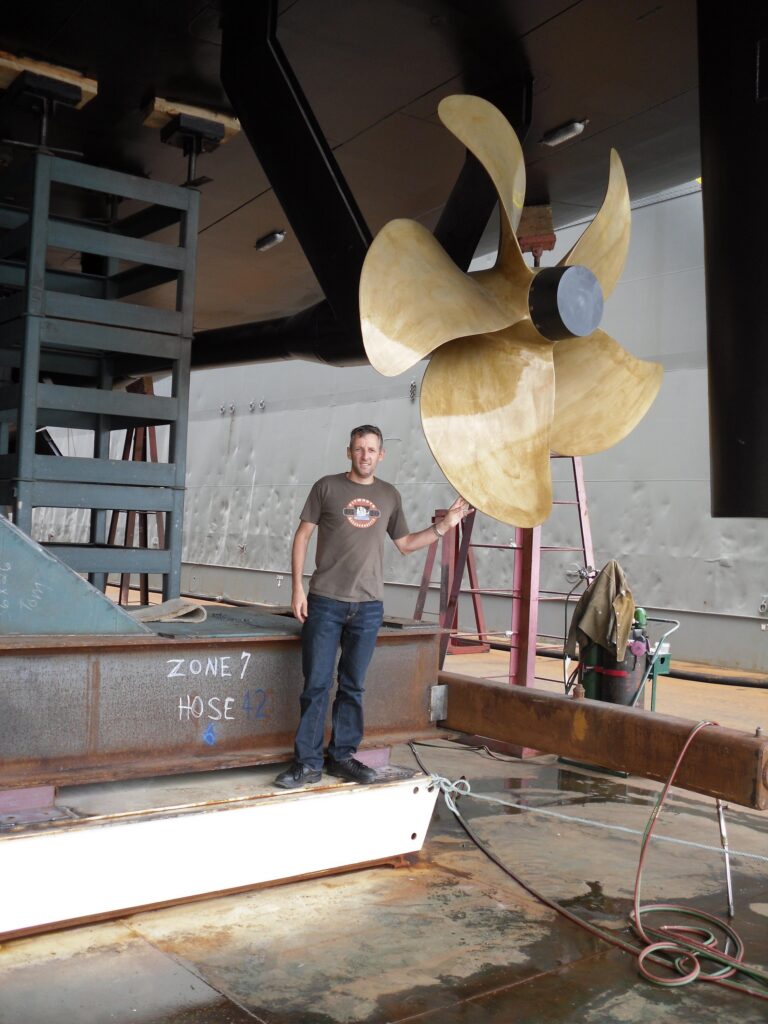
In the early 2000s, McKay secured its first major marine switchboard project with Sensation Yachts Limited, marking its strategic entry into the marine market.
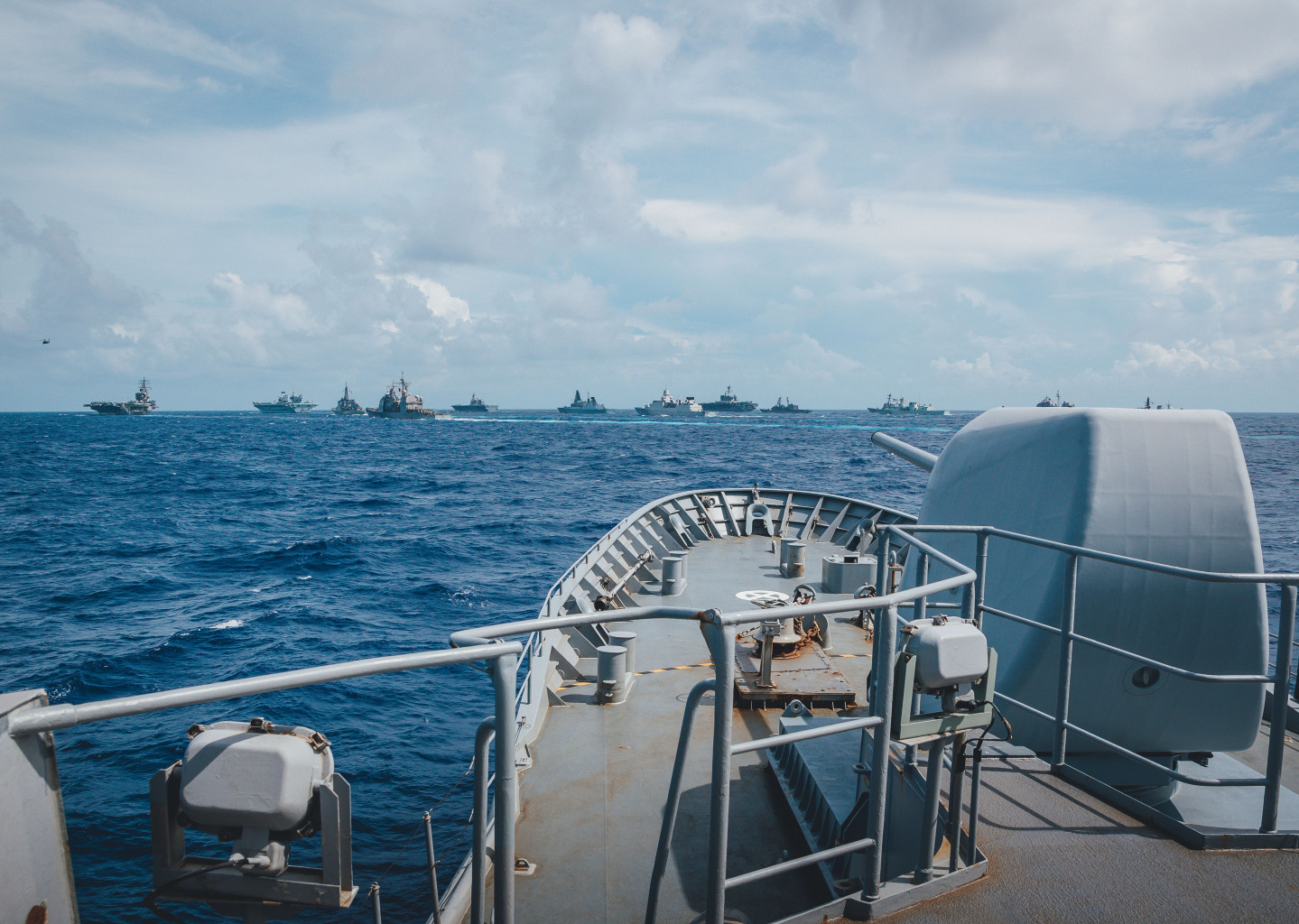
This direction strengthened in 2007 when McKay was awarded a 10-year contract with the New Zealand Defence Force and the Ministry of Defence to support the Royal New Zealand Navy Protector Fleet in Devonport – a contract later extended for a further decade. At a time when New Zealand was tightening building standards, promoting renewable energy, and encouraging exporters through agencies such as New Zealand Trade and Enterprise, McKay’s growing marine capability positioned the company well beyond traditional domestic infrastructure work.
The global financial crisis of 2008–2009 brought significant inconsistency to New Zealand’s infrastructure pipeline, with six consecutive quarters of economic decline. However, Lindsay’s foresight in expanding into the marine sector proved decisive. While much of the industry contracted, McKay experienced recession-busting growth, nearly tripling its turnover during this period.
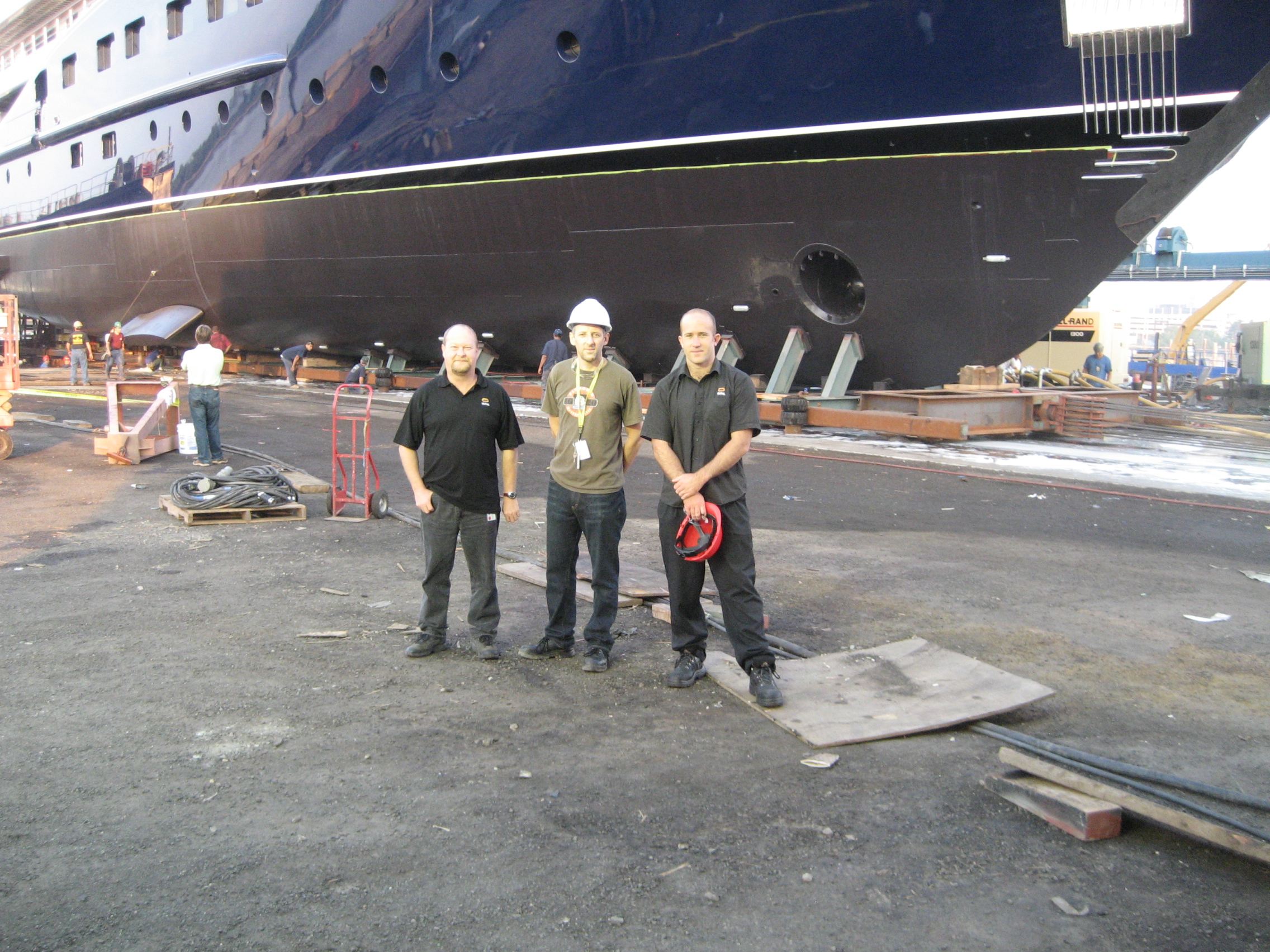
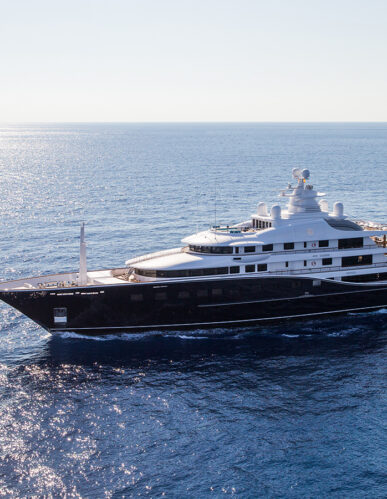
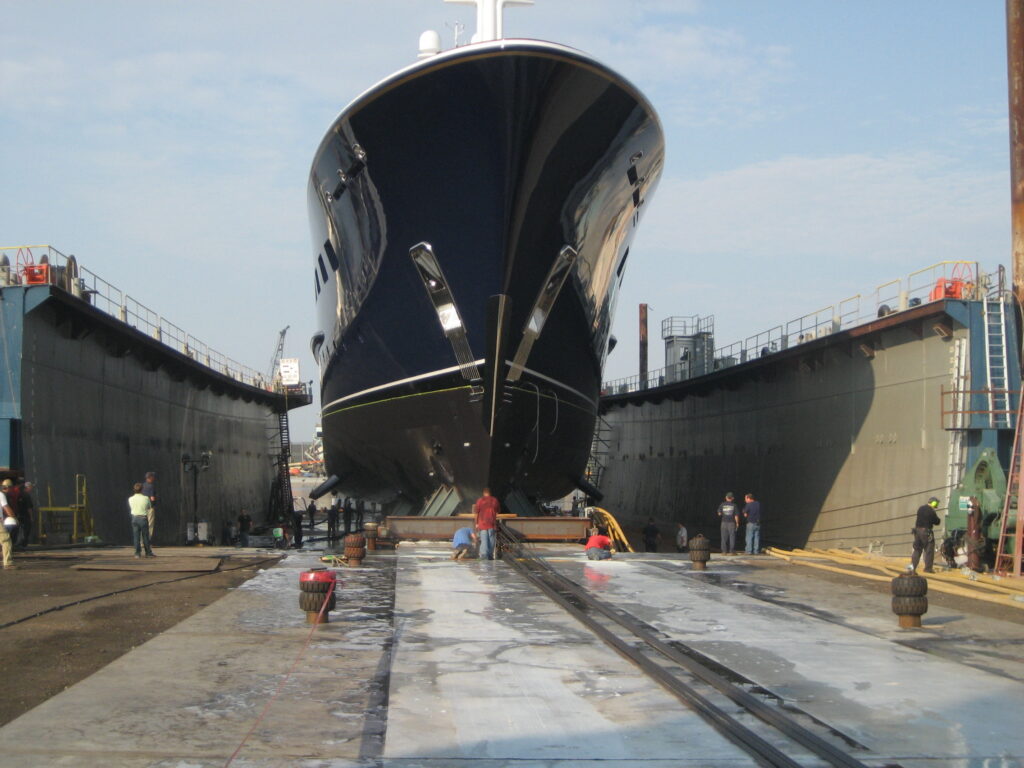
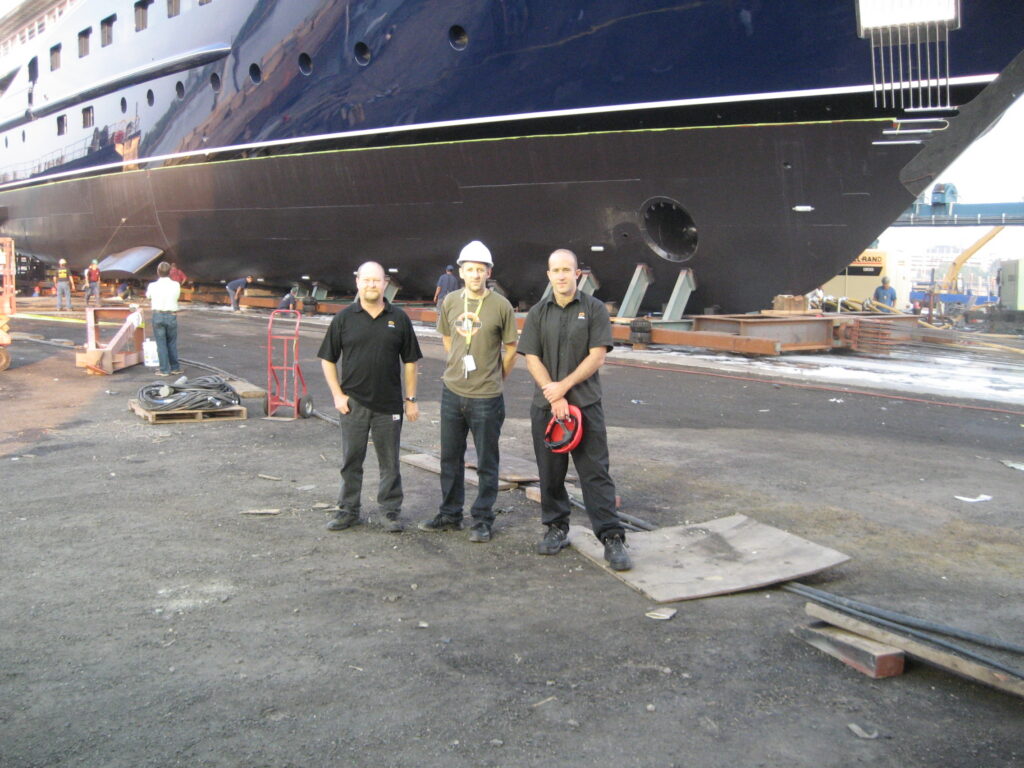
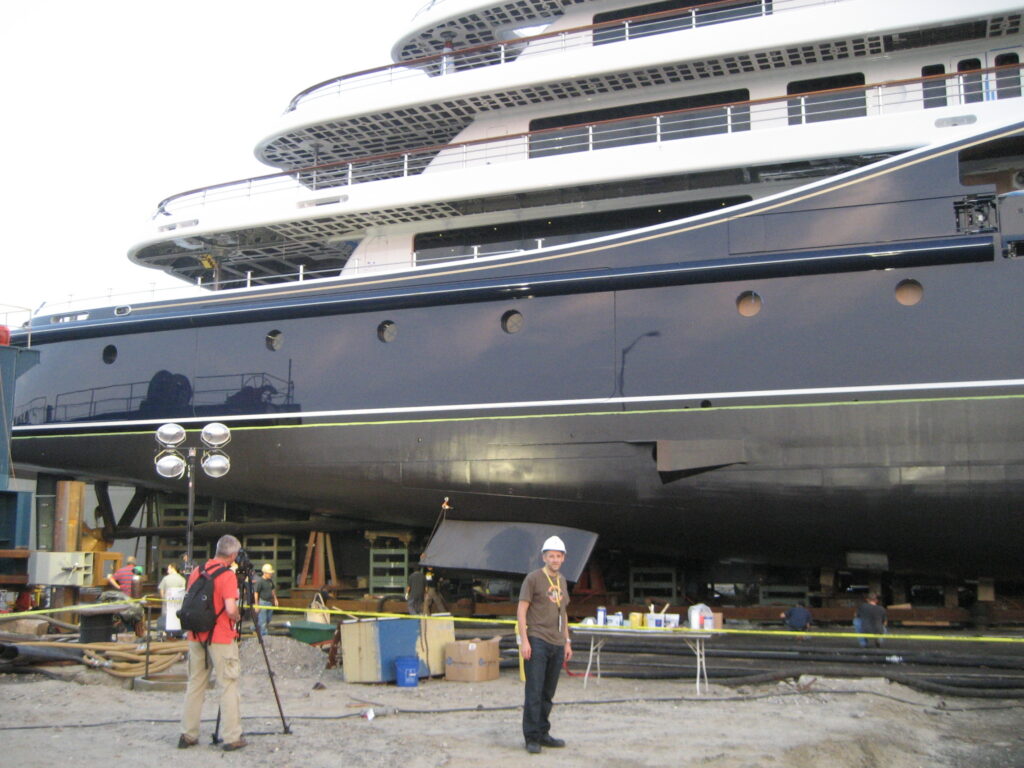
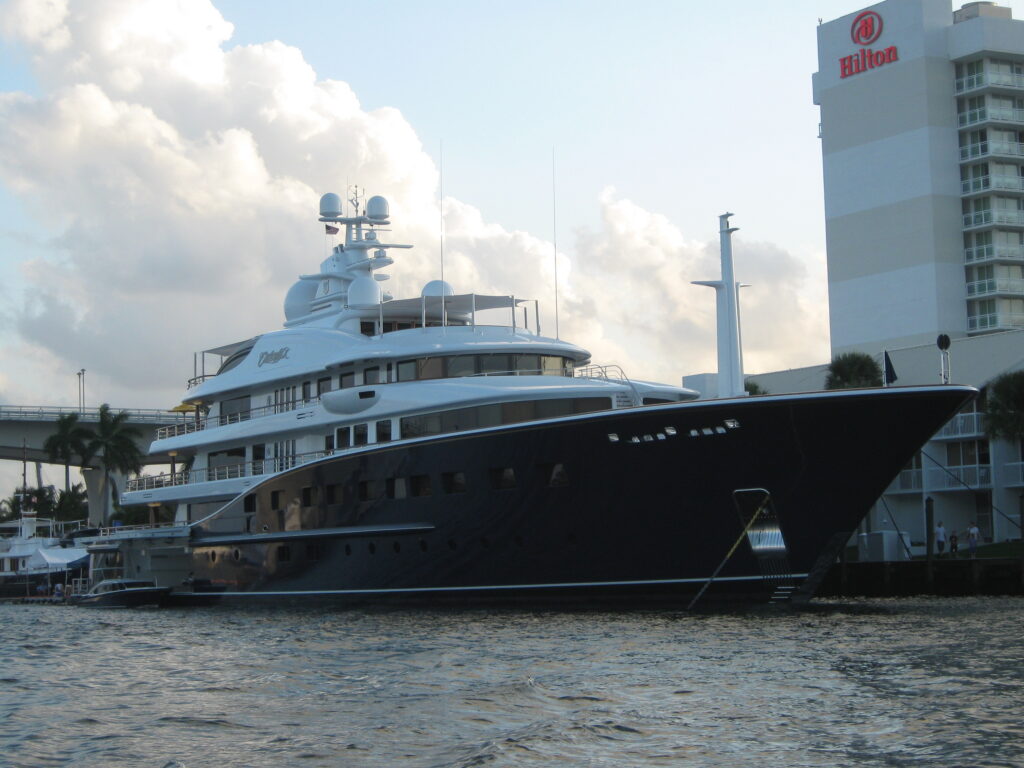
McKay’s international reputation grew after the company attended two superyacht forums in the United States, where a chance conversation between Andreas Zaugg and a director of Derecktor Shipyards Limited led to a landmark opportunity. Derecktor was preparing to deliver Cakewalk, an 85-metre motor yacht that would become the largest by volume ever built in the United States. With McKay already engaged on two 55-metre Protector-class naval vessels, Lindsay Faithfull and Dennis Crane successfully secured the project. In 2008, McKay deployed five engineers to Connecticut, establishing its United States division and confirming its emergence as a global marine specialist.
By the end of the decade, McKay had grown to employ around 140 people and was delivering electrical engineering services across dairy, petrochemicals, timber, and major infrastructure. The company was also exploring new markets in water and wastewater, streetlighting, and correctional facilities – a period that reflected both New Zealand’s evolving industrial landscape and McKay’s transformation into a nationally and internationally recognised engineering business.
KEY LEADERSHIP OF THE DECADE


KEY PROJECTS OF THE DECADE
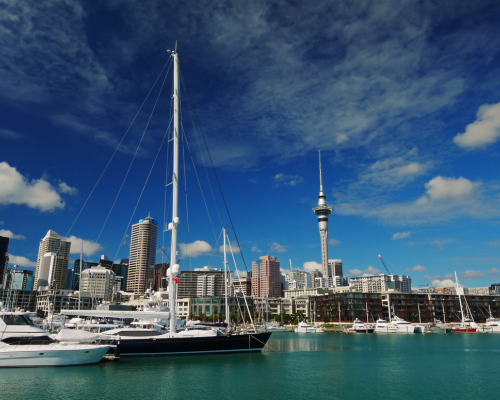
2003 • McKay secured its first major marine project
McKay secured a marine switchboard project for Sensation Yachts in Auckland.
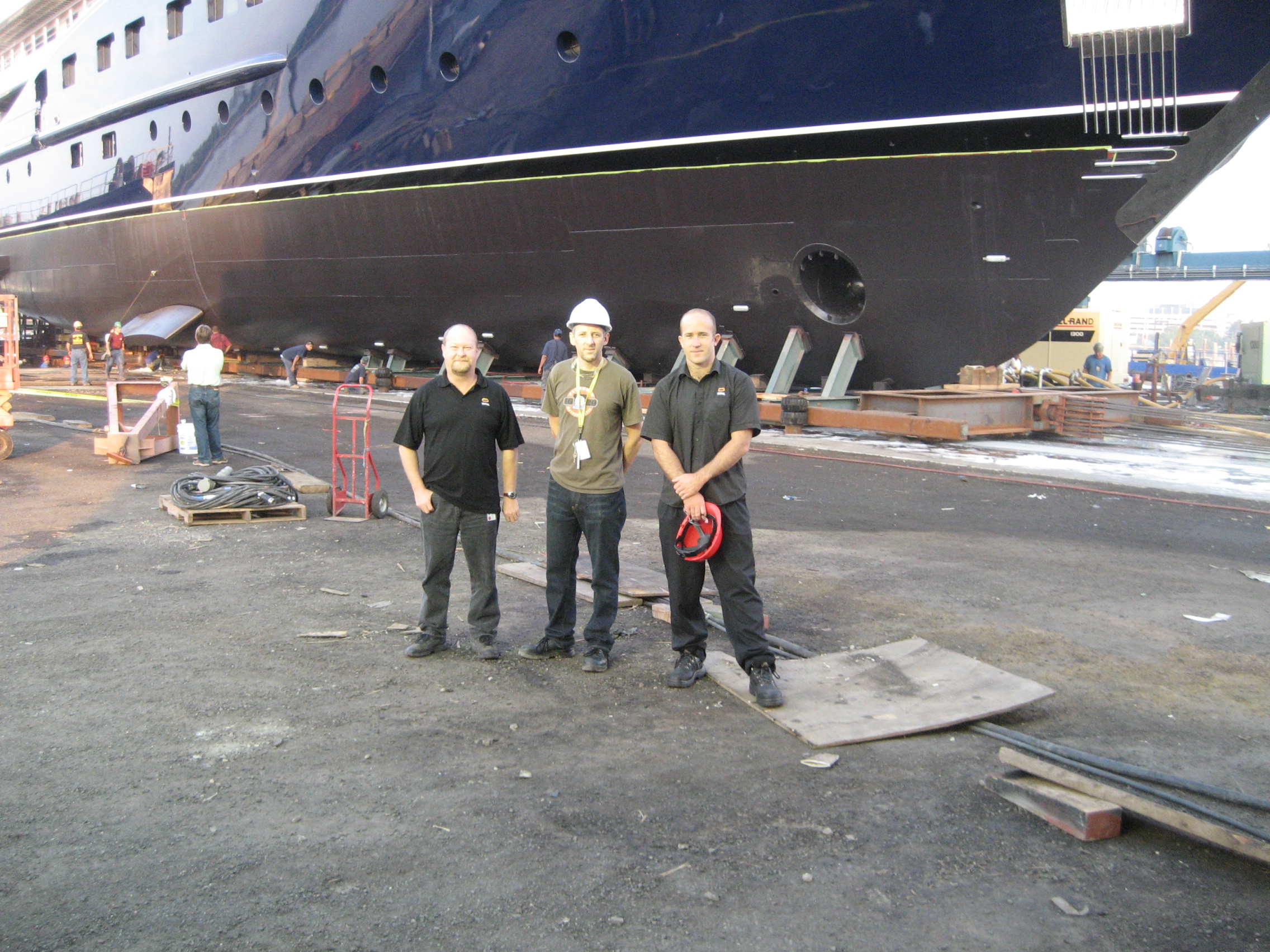
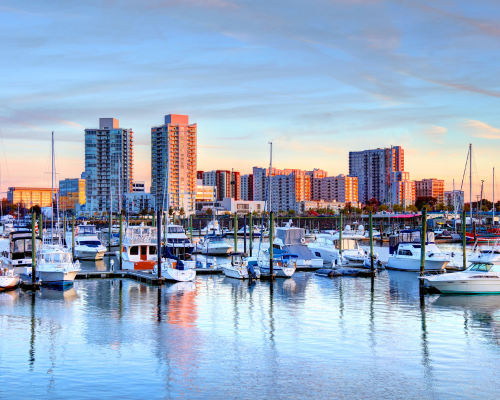
2008 • McKay established its USA division
McKay established its USA division based in Connecticut, United States.