
THE 1990s
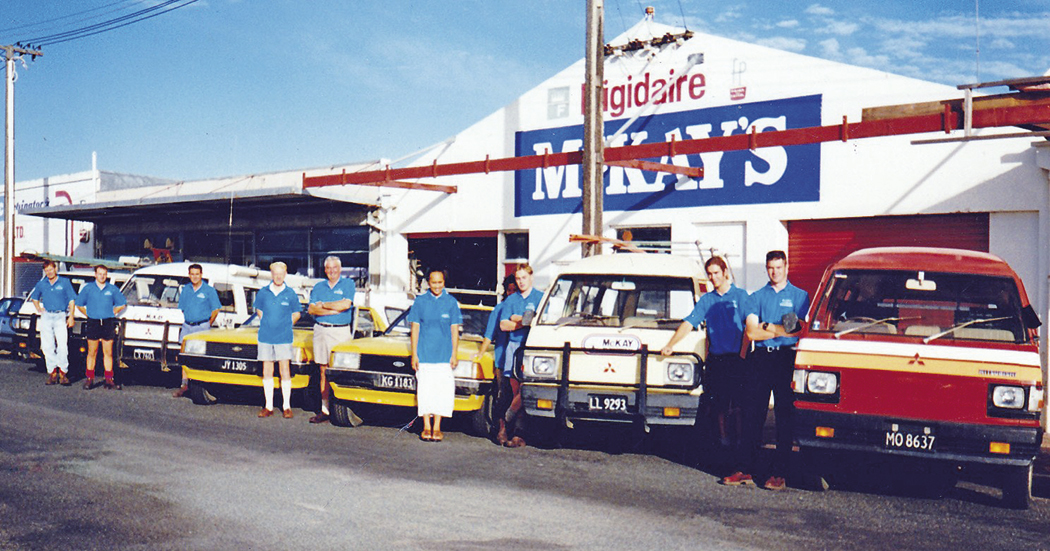
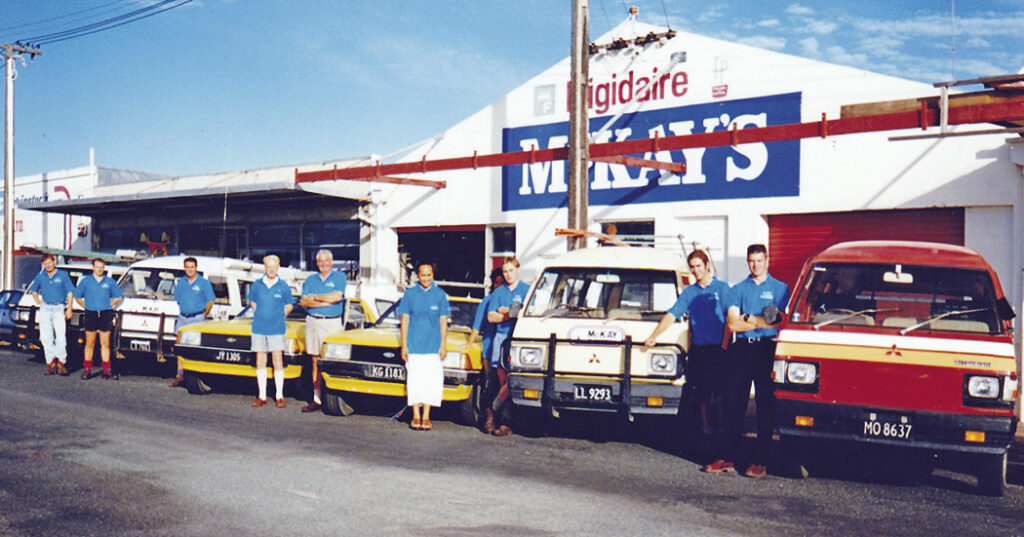
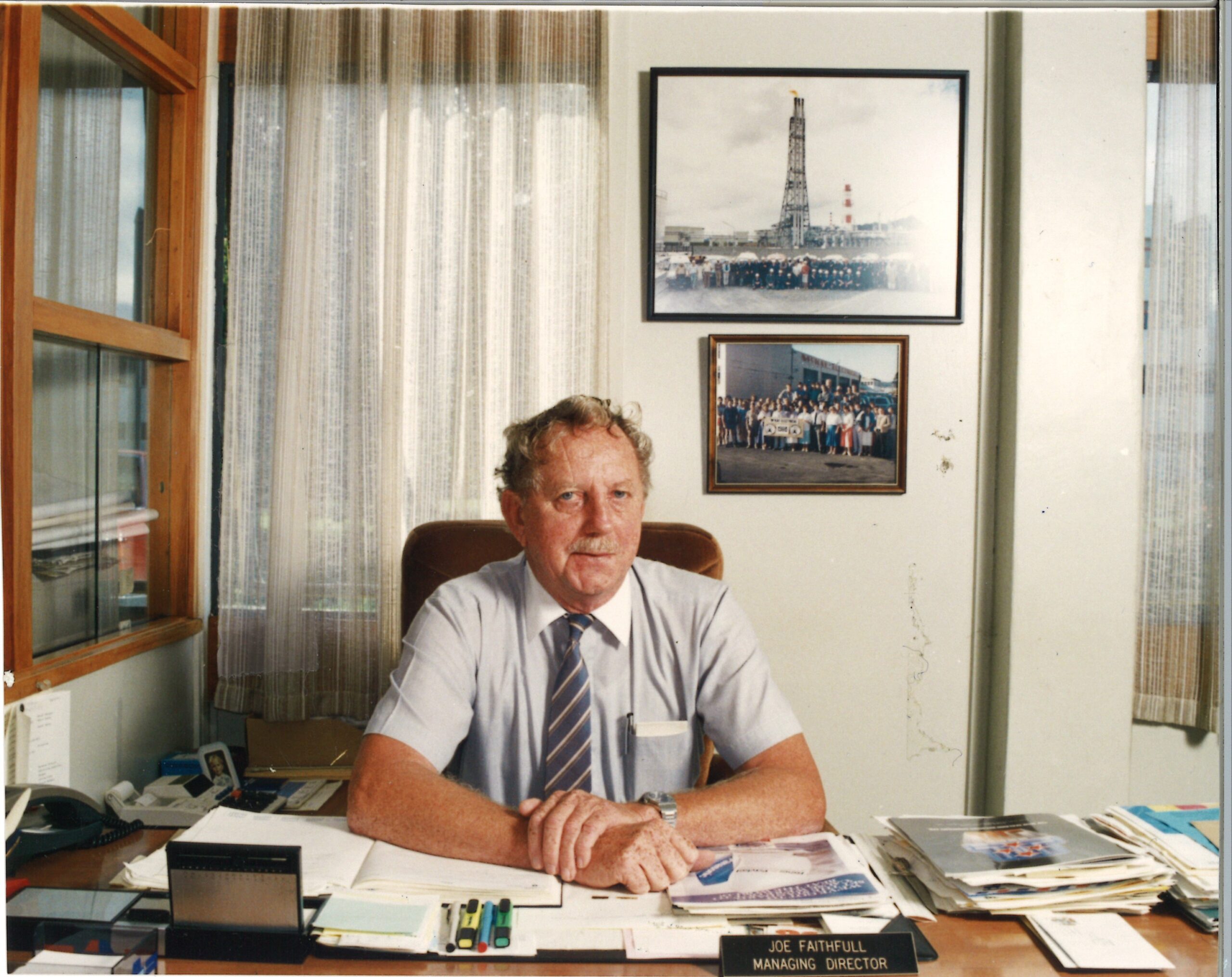
The 1990s marked a decade of consolidation and strategic change for McKay, set against a period of major reform in the energy sector in New Zealand. By 1992, Lindsay had progressed to General Manager and shareholder, later becoming a Company Director in 1994.
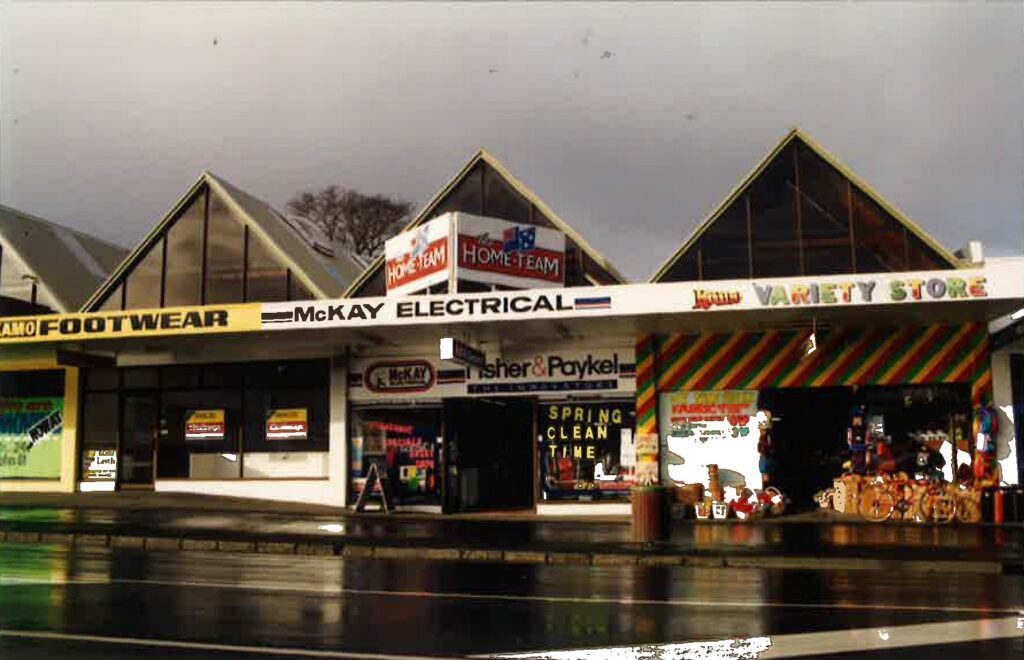
During the early 1990s, the decision was made to close the Kamo retail store, allowing Whangārei operations to focus on the Water Street premises and strengthen the company’s contracting capabilities.
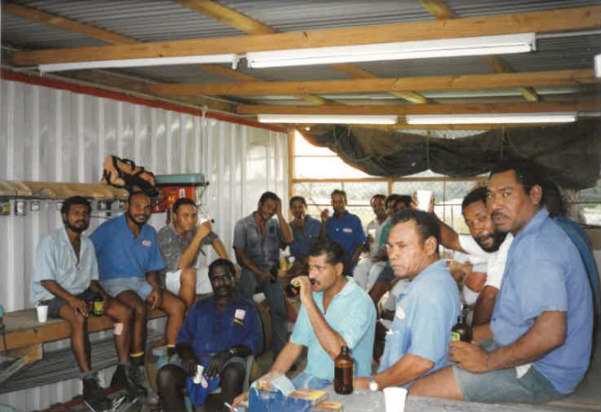
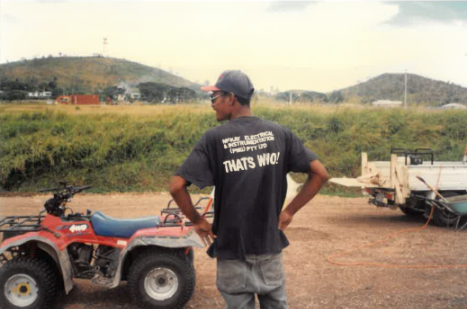
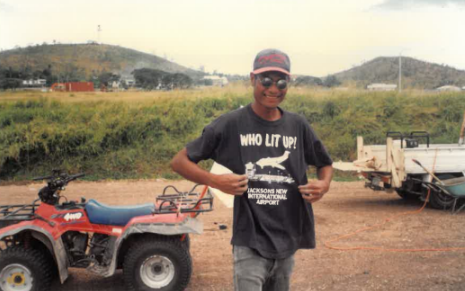
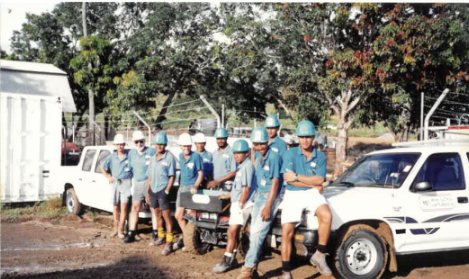
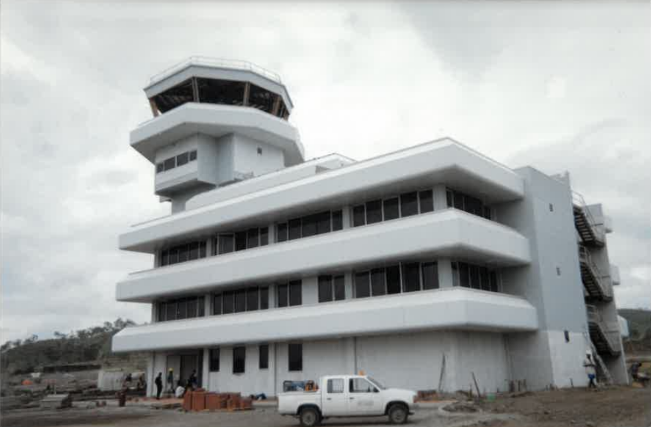
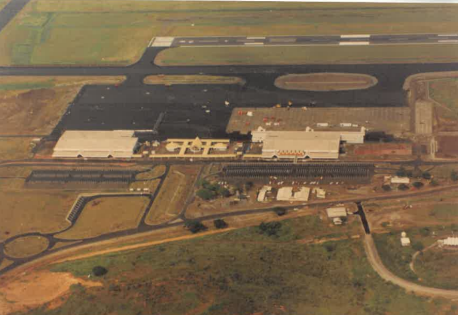
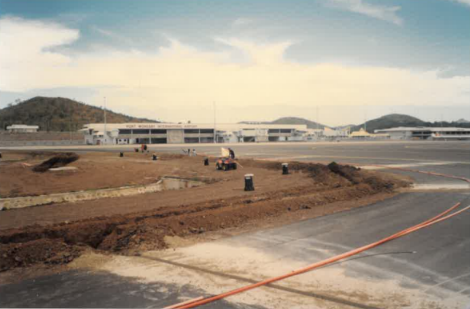
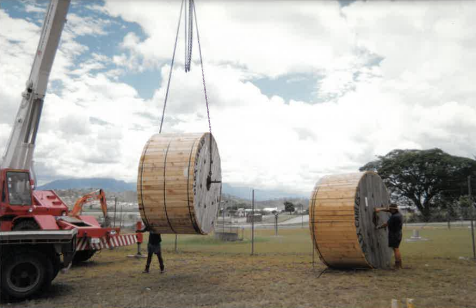
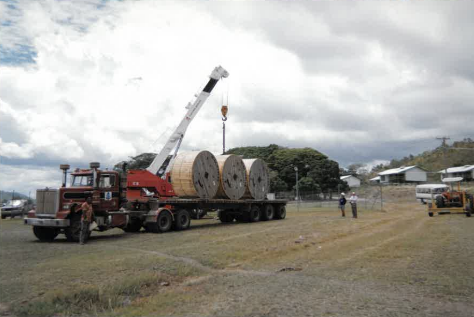
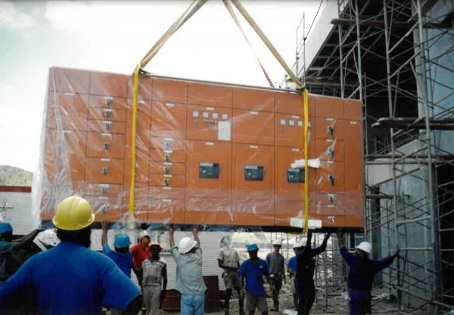
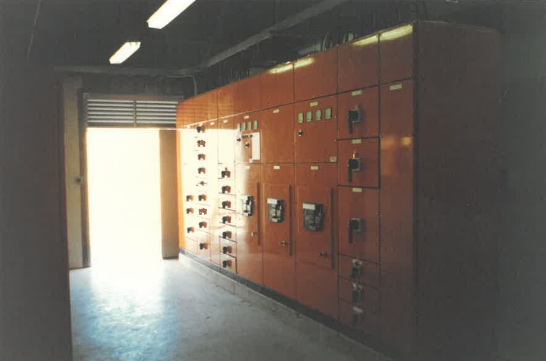
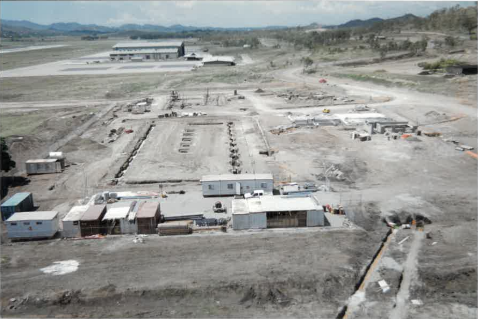
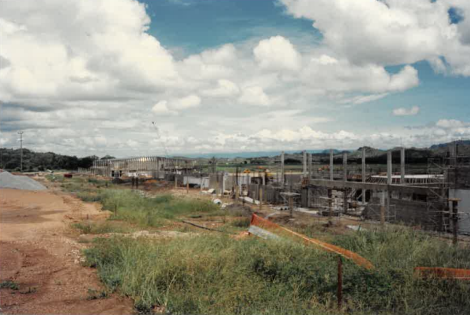
Between 1994 and 1998, McKay continued its international work in the Pacific, delivering two new airport terminal buildings, high-voltage reticulation, and apron and taxiway lighting as part of the Jacksons International Airport project in Port Moresby, Papua New Guinea. This significant project reinforced McKay’s reputation for delivering complex infrastructure beyond New Zealand.
Domestically, the decade brought sweeping change to the electricity industry. The Energy Companies Act 1992 transformed power boards into limited liability companies, triggering widespread restructuring and consolidation. Further reform followed with the separation of Transpower from ECNZ in 1994, the commissioning of New Zealand’s first wind farm in 1996, and the Electricity Industry Reform Act 1998, which split generation and retail from distribution. By 1999, ECNZ was broken into three new state-owned enterprises – Mercury Energy (then Mighty River Power), Genesis Energy, and Meridian Energy.
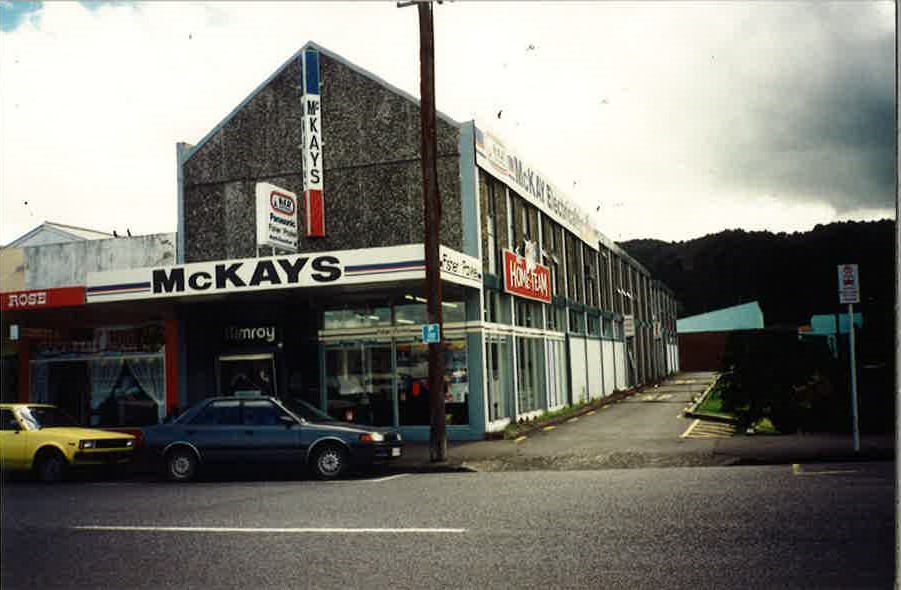
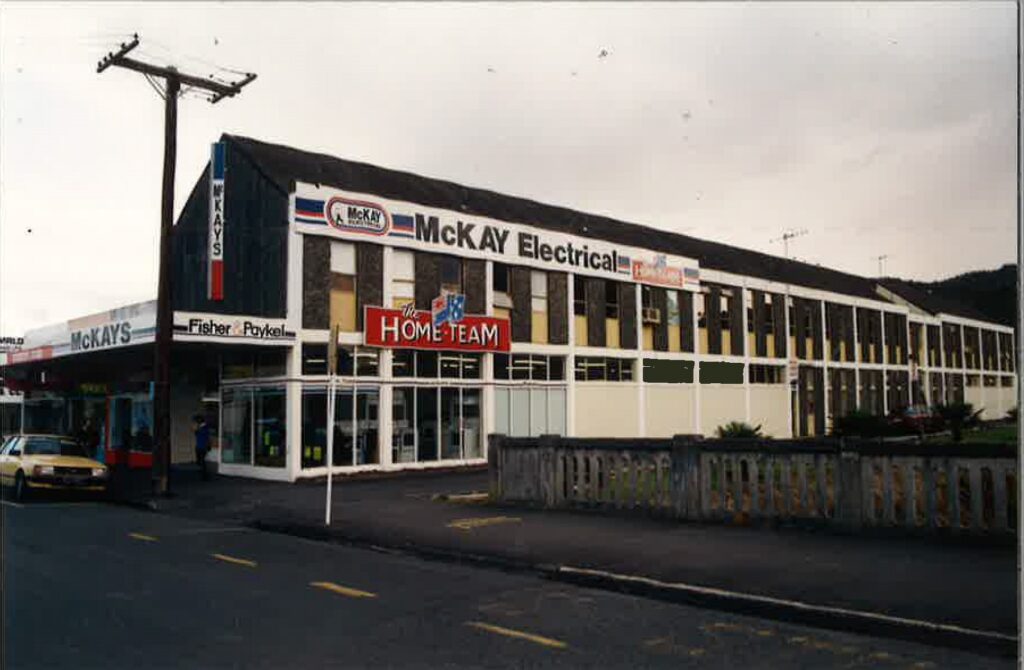
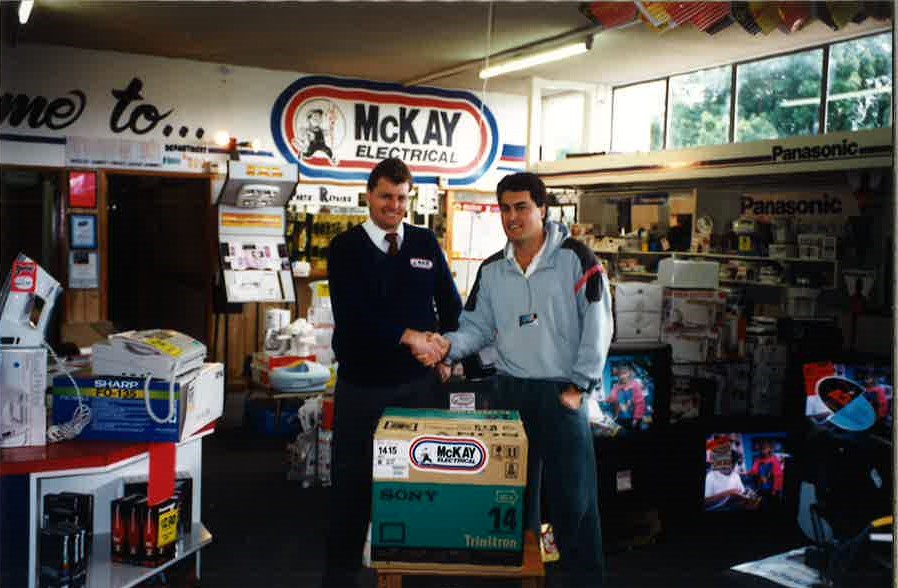
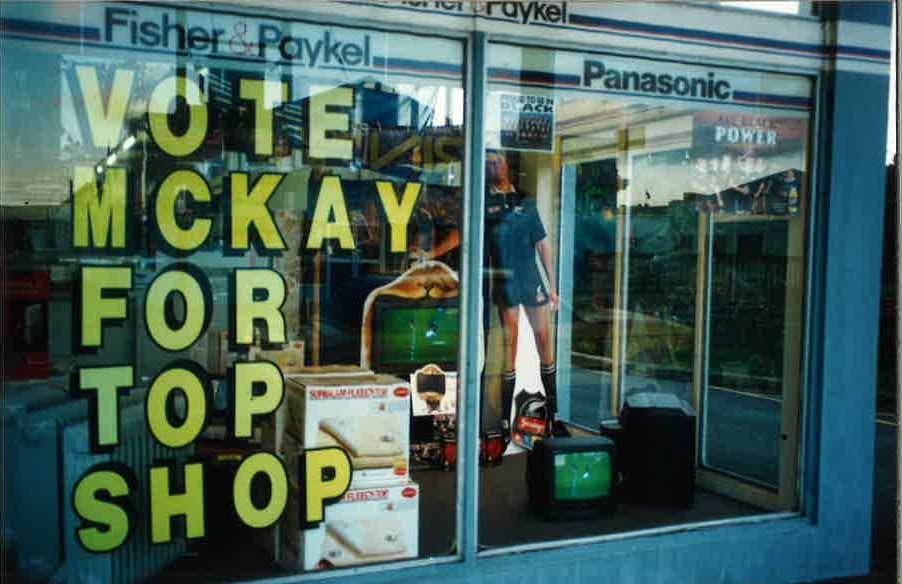
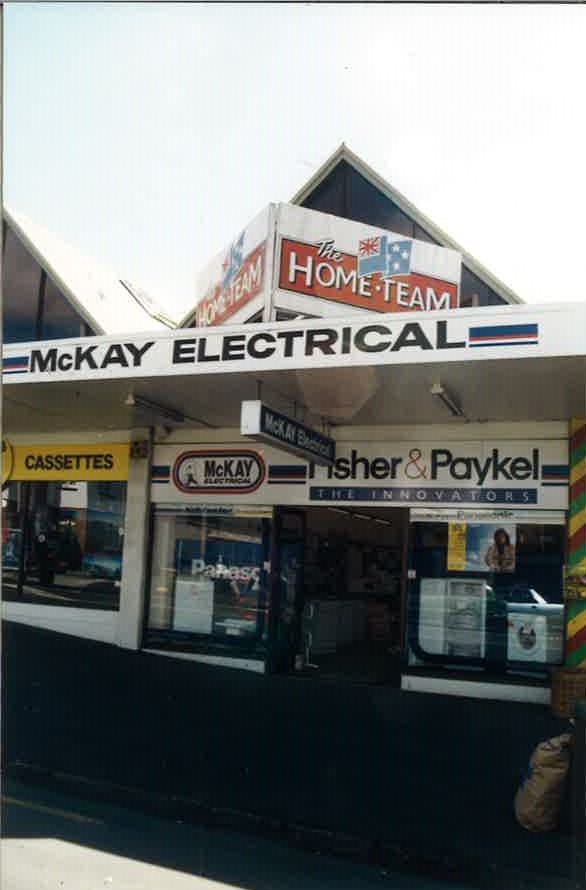
In this changing environment, McKay made a defining move of its own. In 1999, Joe and Lindsay sold the retail division of McKay Electrical Whangārei to Warren Huband, bringing the company’s retail era to a close and firmly positioning McKay as a focused contracting and infrastructure business heading into the new millennium.
KEY LEADERSHIP OF THE DECADE
KEY PROJECTS OF THE DECADE
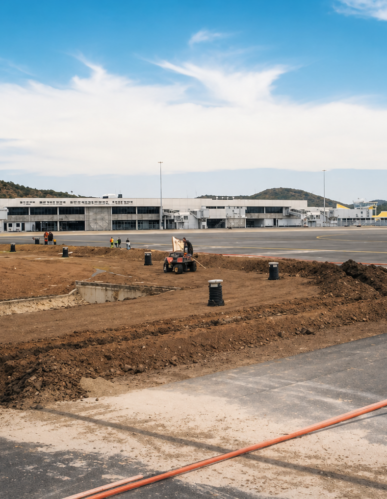
Port Moresby Airport, Papua New Guinea

Kiwi Dairy Company, Hāwera Expansion
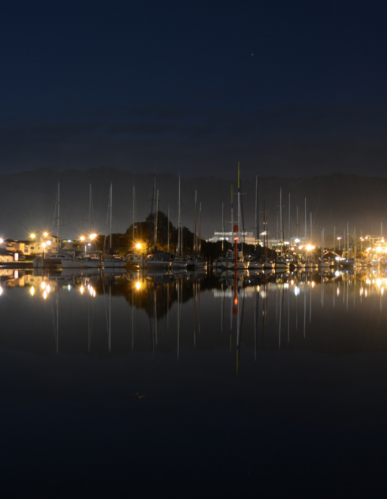
Whangārei Street Lighting Maintenance
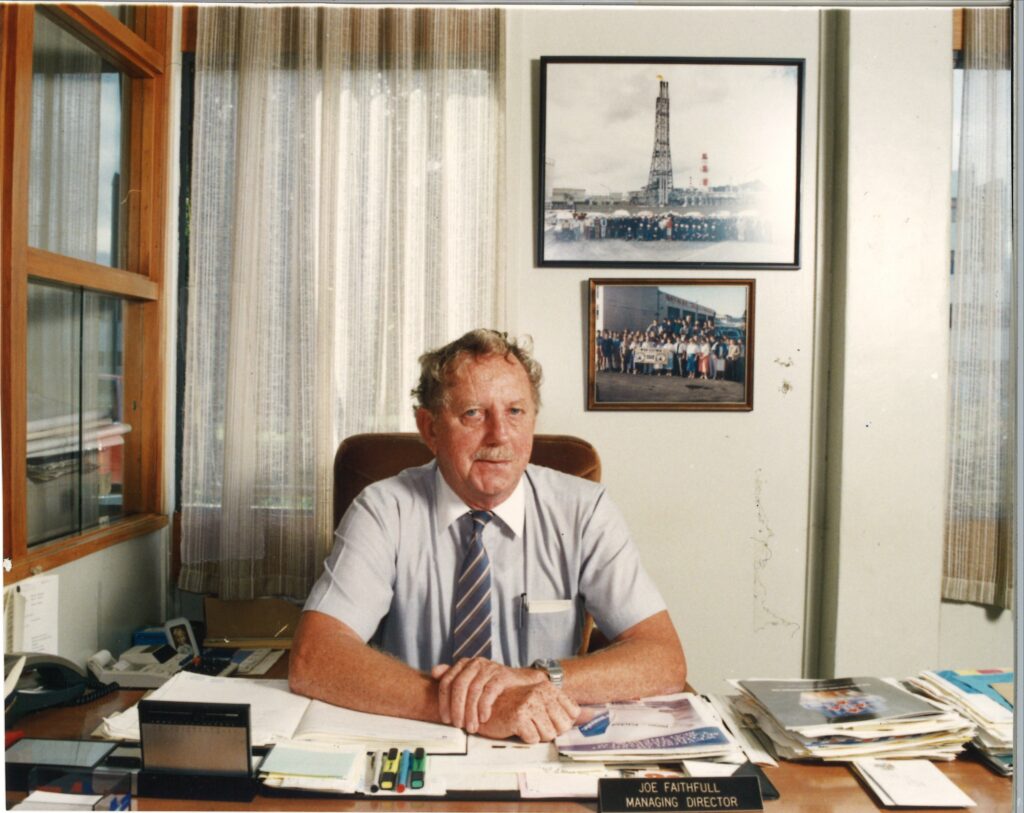
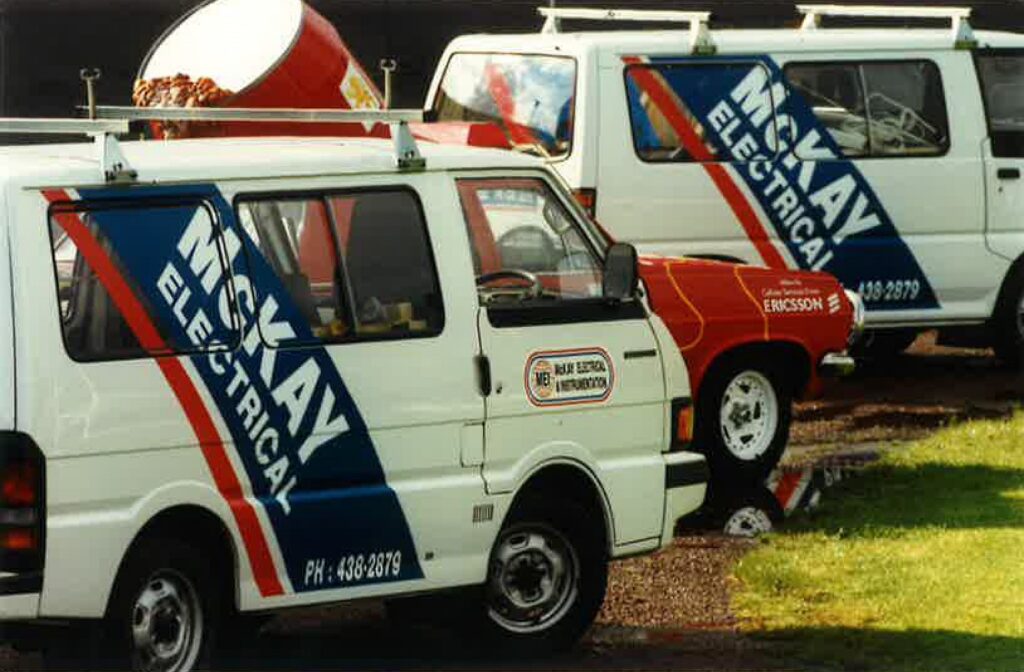

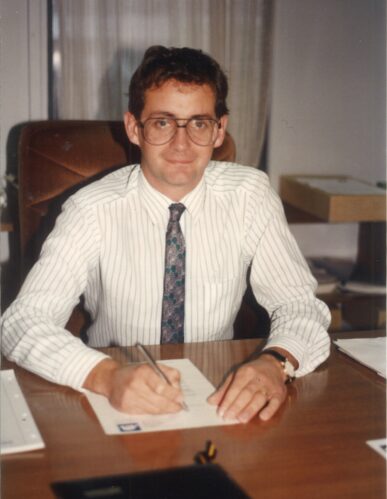
1992 • Lindsay Faithfull became McKay General Manager
Lindsay Faithfull returned from working in the United Kingdom to join Joe in running the business.
1994 • Lindsay Faithfull was appointed Managing Director of McKay
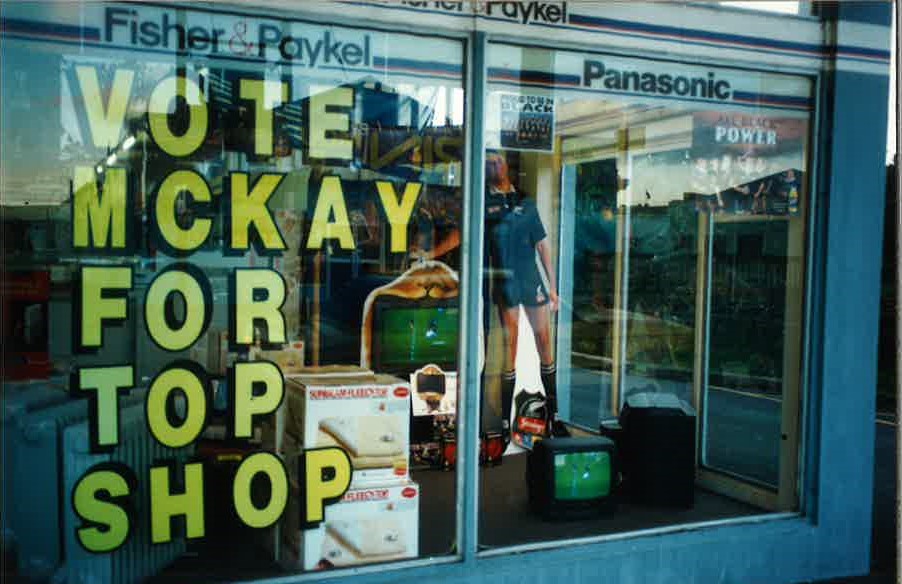
1999 • McKay sold its retail division
Lindsay and Joe sold the retail division of McKay Electrical Whangārei to Warren Huband, bringing the company’s retail era to a close.