The response was a programme of unprecedented state-led investment in large-scale energy and petrochemical projects, collectively known as the ‘Think Big’ strategy. Led by Prime Minister Robert Muldoon, Think Big was an ambitious industrialisation plan funded largely through overseas borrowing and aimed at strengthening energy security, increasing the use of New Zealand’s own resources, and generating foreign exchange. As part of a wider growth strategy, more than $8 billion was invested across multiple projects during the 1980s, equivalent to approximately $26 billion today. While one of these initiatives was considered world-leading in its field, all were designed to reduce exposure to imported energy and stabilise the national economy.
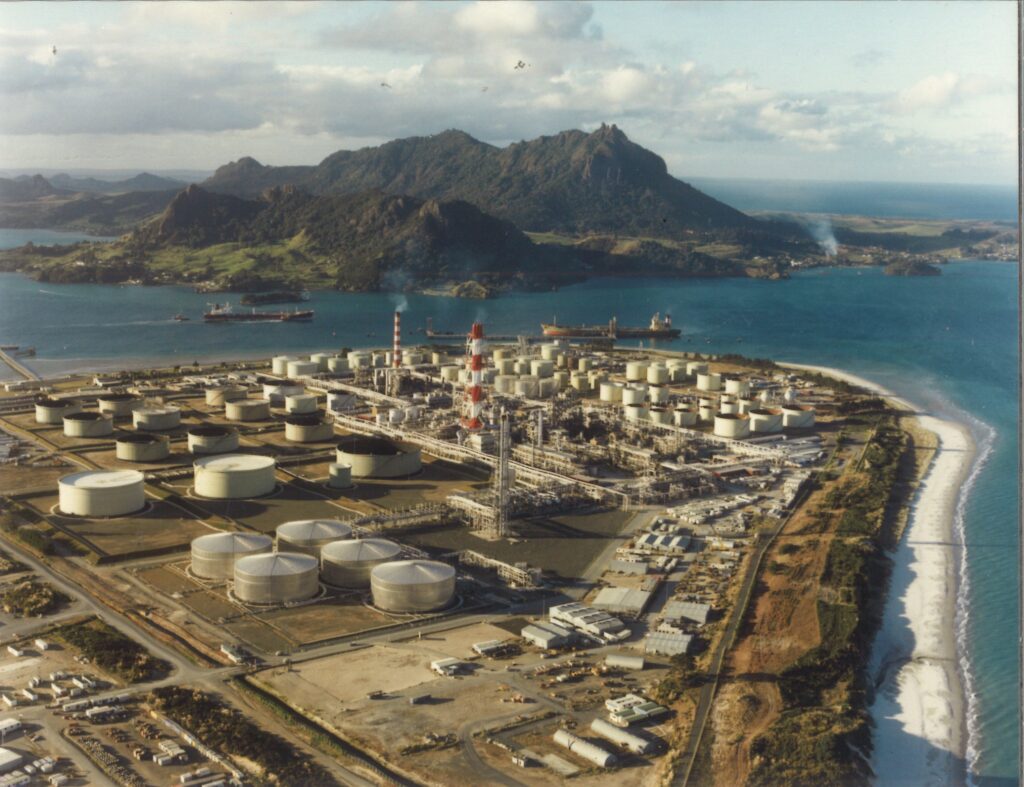
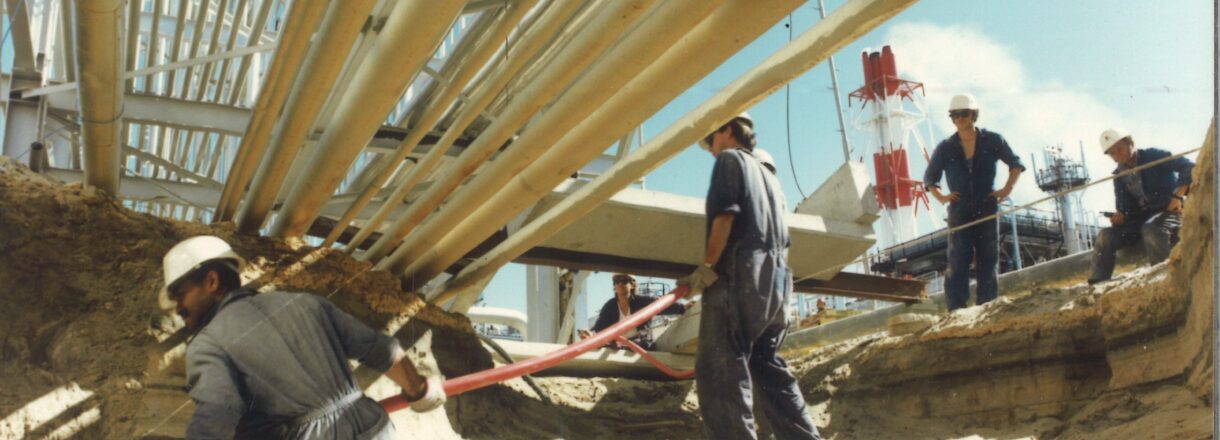
A key project within the strategy was the expansion of the Marsden Point Oil Refinery, which was selected for major investment because of its critical role in the national fuel supply and its potential to significantly reduce reliance on imported refined products. The expansion aimed to increase the refinery’s capacity to process larger volumes of crude oil and enhance the range and quality of fuels produced. This was achieved through the introduction of major new process units, including a hydrocracker and hydrogen manufacturing facilities, alongside extensive upgrades to utilities, storage, off-site facilities, and supporting infrastructure. Collectively, these improvements enabled the refinery to process a wider variety of crude oils, improve operational efficiency, and meet both immediate demand and longer-term growth in fuel consumption.
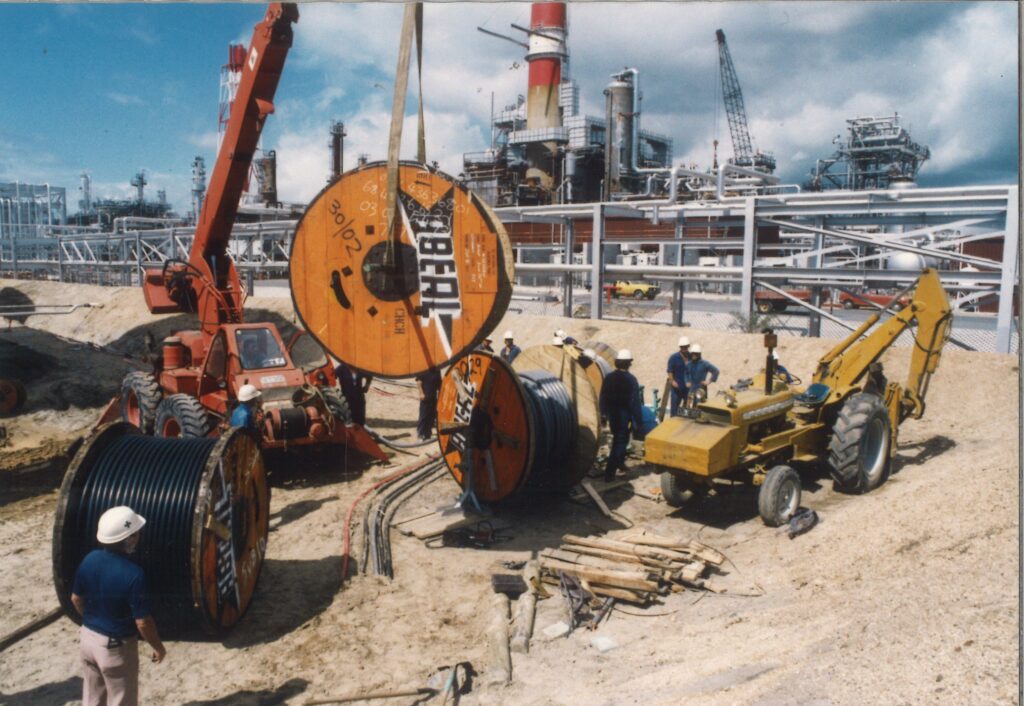
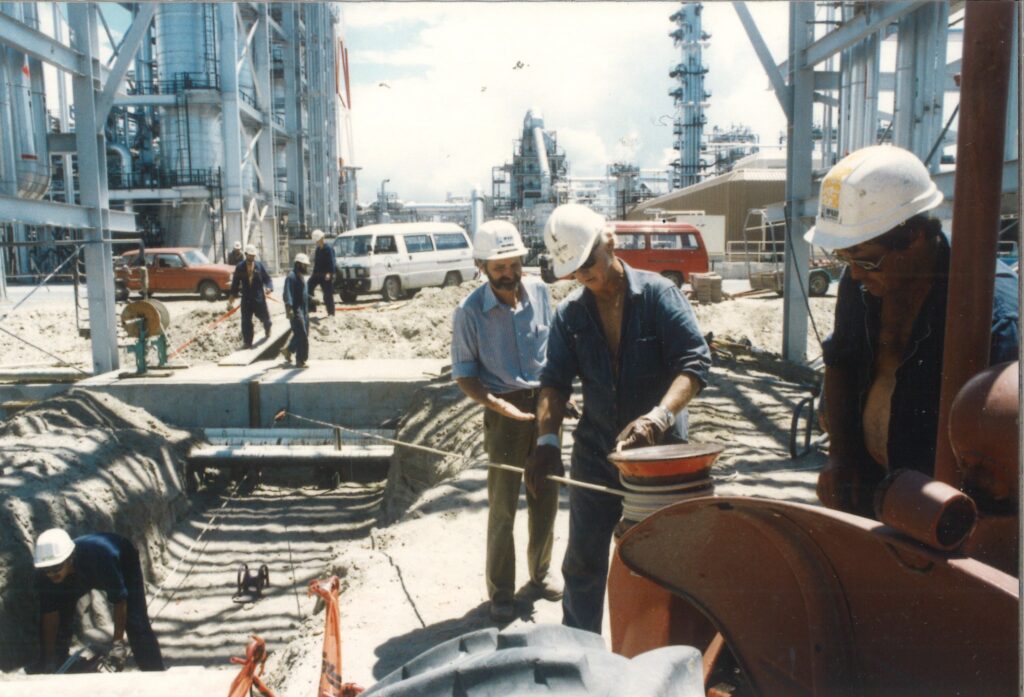
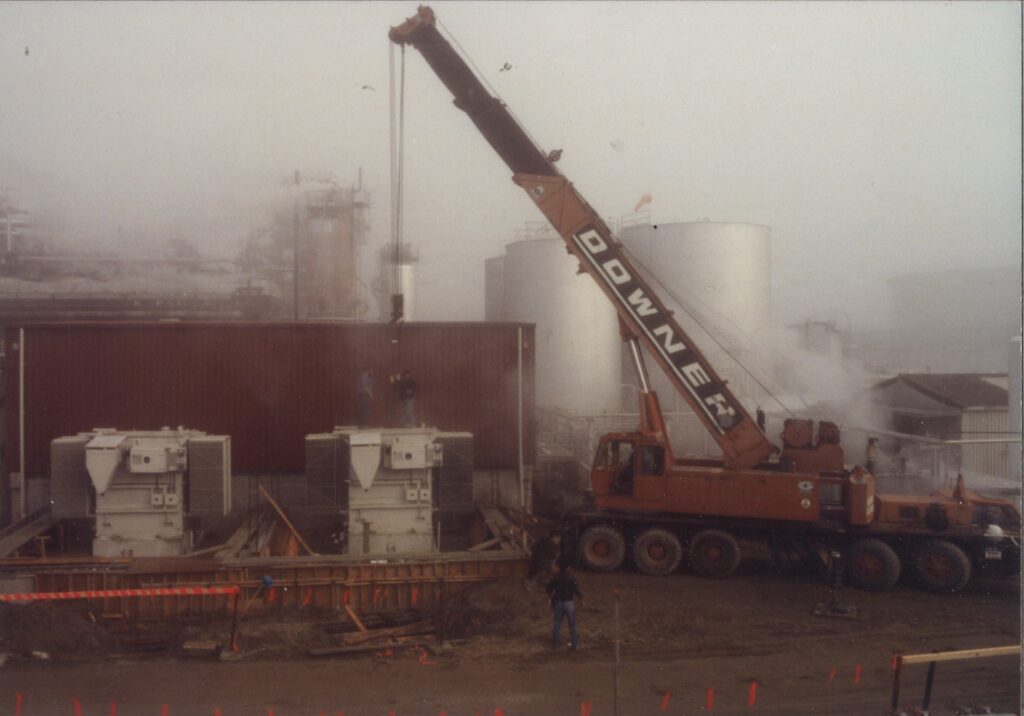
The expansion work commenced in the early 1980s and represented one of the largest industrial construction programmes undertaken in New Zealand at the time. Having worked continuously at the refinery since its original construction in the 1960s, McKay was engaged to support the expansion programme, building on decades of site knowledge and operational familiarity. By this stage, McKay had established a permanent staff base on site, enabling a sustained and responsive presence throughout the project. Completion and commissioning were achieved in the mid-1980s, with the expanded refinery fully operational by 1986. The scale and complexity of the project required significant technical coordination across multiple disciplines and contractors, particularly in high-risk hazardous environments.
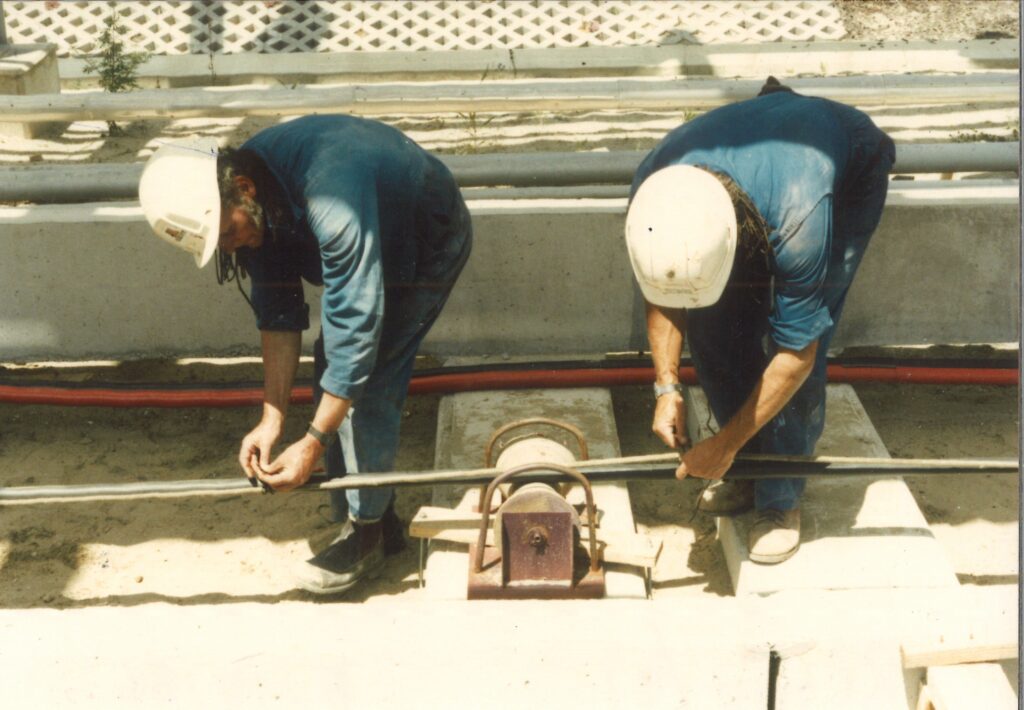
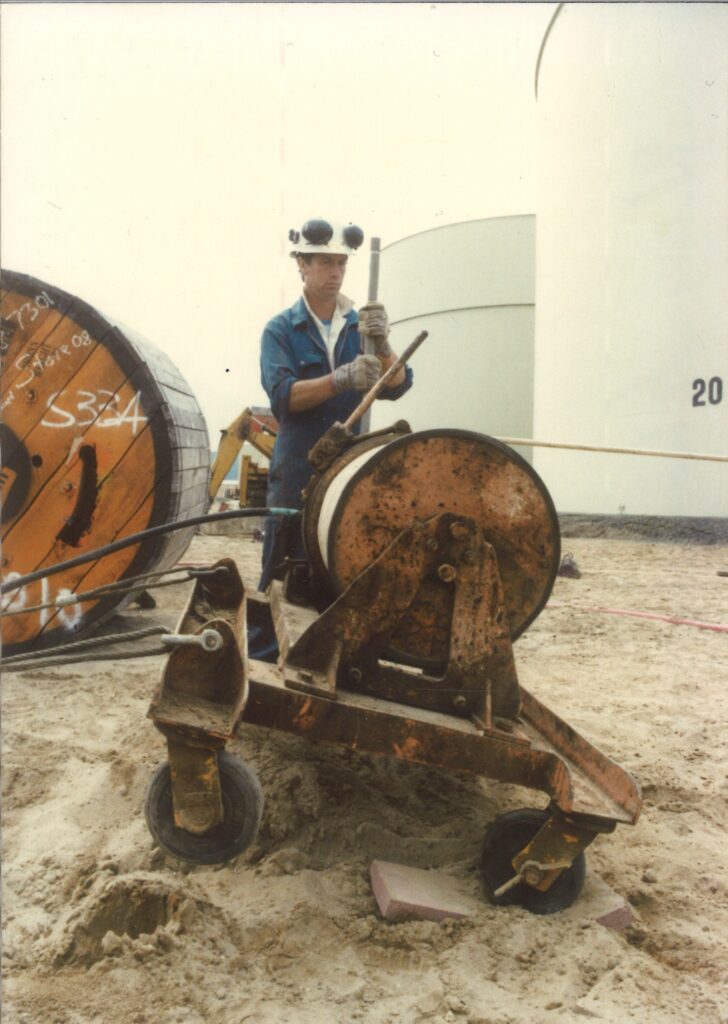
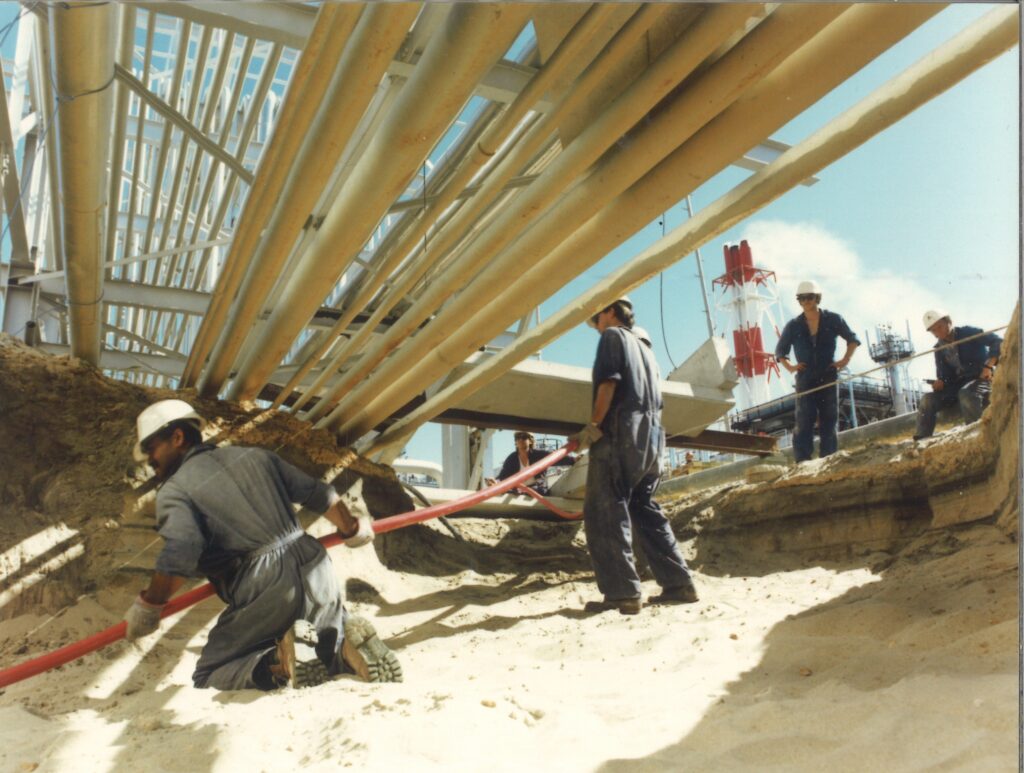
Electrical work formed a critical component of the expansion, supporting the new process plant and integrating it with existing operations. This included substantial enhancements to power supply and distribution systems, new substations and switchrooms, and the installation of advanced instrumentation and control systems essential for safe, efficient, and continuous operation. All work was carried out in accordance with stringent hazardous-area standards, reflecting the refinery’s role as a nationally significant energy asset.
While the Think Big era is often debated in terms of its broader economic outcomes, the Marsden Point Oil Refinery Expansion delivered enduring benefits for New Zealand. It materially strengthened national fuel security, reduced reliance on imported refined products, and established a refinery capable of adapting to changing fuel specifications and market demands over several decades. The project also left a lasting legacy of technical capability, industrial expertise, and long-term employment, underpinning the refinery’s role as a critical piece of national infrastructure and a cornerstone of New Zealand’s energy system for generations.