
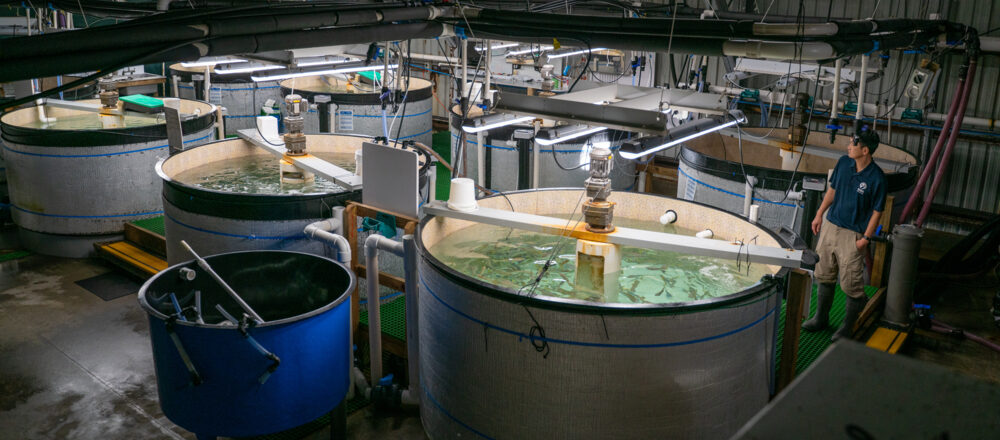
As the head electrical contractor, McKay played a key role in the project by collaborating closely with the head contractor, CB Civil. This partnership led to several design enhancements that improved installation efficiency and reduced long-term maintenance costs. Key innovations included optimising cable routes and support structures, refining electrical installation processes, and improving the switchboard and motor control centre (MCC) design.
To navigate the complexities of the NIWA Kingfish project, McKay implemented a comprehensive project management plan based on standardised procedures governed by the McKay Quality System, which had received independent ISO 9001:2015 accreditation from Telarc. This plan served as the foundation for effectively managing and controlling all aspects of the project, from establishing initial baseline settings to achieving the desired outcomes. Collaboration and ongoing consultation with the client, head contractor, and stakeholders were critical components of this management strategy.
Notably, the project progressed despite the challenges posed by the COVID-19 pandemic. The project management plan incorporated responses to these unprecedented circumstances, including strict adherence to self-isolation protocols, social distancing measures, and mask-wearing requirements. Proactive planning was essential to address potential staffing shortages and supply chain disruptions.
Through the careful management and contingencies outlined in the project plan, McKay delivered the project on time and successfully reduced installation times through design recommendations that benefited the client’s bottom line.
The NIWA Kingfish project stands out not only for its scale but also for its commitment to environmental sustainability. The RAS promotes highly efficient production methods that result in a carbon footprint one-tenth that of traditional dairy farming. A key element of this sustainability effort is McKay’s installation of a DALI® aquaculture lighting system, which uses sensor-based lighting controls to mimic natural sunlight. This innovative approach helps reduce fish stress, promotes growth, and maintains optimal temperature conditions, while enhancing energy efficiency.
Under the experienced leadership of Project Supervisor Johnny Wilkinson, the NIWA RAS project demonstrated how innovative design and rigorous project management could lead to groundbreaking advancements in sustainable aquaculture. With its focus on efficiency, safety, and environmental responsibility, the project is set to become a cornerstone of New Zealand’s aquaculture industry.