Over the past 90 years, New Zealand’s energy landscape has undergone profound change. From an era defined by heavy industry and large-scale thermal generation to today’s accelerating transition towards renewable energy, the way the country produces and uses power has continually evolved. McKay has had a front-row seat to this transformation. Our involvement in landmark projects such as the Marsden Point refinery expansion and the Tīwai Point Aluminium Smelter has meant that we have witnessed first-hand both the scale of New Zealand’s historic energy ambitions and the momentum now driving the shift to cleaner, more sustainable generation.
Those earlier projects represented the backbone of an industrial economy, demanding resilience, reliability, and deep technical capability. Today, the focus is changing – but the need for expertise, innovation, and delivery excellence remains just as critical. As New Zealand moves decisively towards renewable energy, McKay is once again adapting, evolving, and innovating – establishing renewable energy delivery as a core service line for the future.
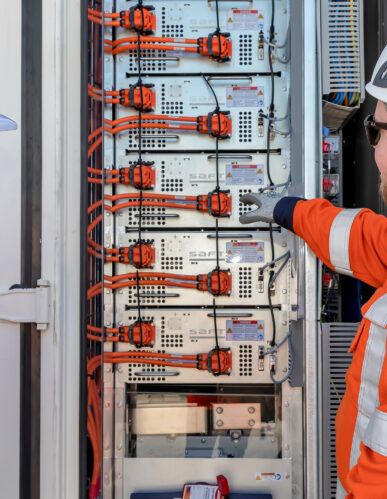
New Zealand’s renewable energy landscape underwent rapid transformation during the 2025–2026 summer season. With multiple solar and Battery Energy Storage System (BESS) projects exceeding 100MW under construction, it became one of the busiest periods the sector had experienced. While New Zealand was later than many international markets in delivering utility-scale solar, the surge presented an opportunity to apply global lessons locally and to do so with Kiwi ingenuity.
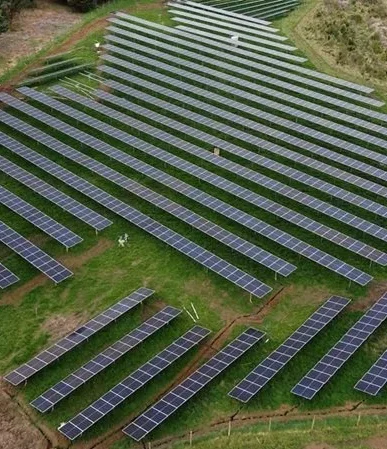
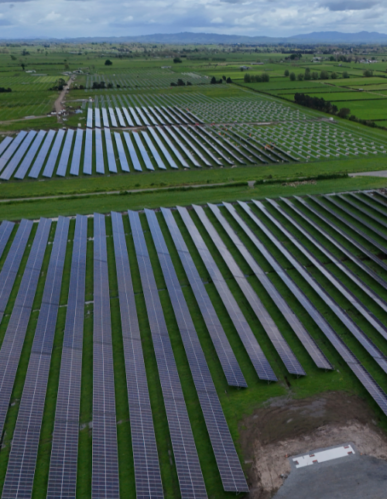
McKay is at the forefront of this momentum. Over the coming summer period, we are delivering more than 400MW of solar farms across three major projects – an unprecedented scale for the local market. As a New Zealand-owned and operated company responsible for the full electrical scope of these developments, McKay is helping demonstrate that local expertise can successfully deliver complex, large-scale renewable infrastructure at pace.
These projects are not simply larger versions of what has been done before. Their scale, coupled with highly compressed construction programmes, is pushing project teams to rethink traditional approaches to delivery. To meet demanding timelines without compromising on safety or quality, McKay teams are adopting innovative, production-line-style methodologies on site. This shift represents a significant evolution in how large infrastructure projects are executed in New Zealand, blending international best practice with local problem solving.
A clear example of this ground-up innovation can be seen at the Kōwhai Solar Farm. Faced with the challenge of installing large volumes of underground cable efficiently and safely, the project team designed and fabricated bespoke 4-tonne and 5-tonne cable drum stands tailored specifically to the cable types used on site. This practical innovation significantly improved productivity while reducing manual handling risks, enabling crews to maintain consistency and quality within tight timeframes. It was a simple idea, but one that reflects McKay’s long-standing culture of empowering teams to innovate where it matters most – on the tools, in the field, and in real time.
Innovation is also emerging in how renewable energy projects interact with the land itself. Several solar developments are already experiencing unprecedented grass growth beneath installed panels, driven by the shade and cooling effects created by the arrays. While this presents challenges during construction, it also opens the door to longer-term agrivoltaic opportunities. Solar farm owners are beginning to explore integrating livestock grazing to manage vegetation, unlocking dual land-use outcomes that combine energy generation with agricultural productivity. This holistic thinking reflects a broader shift in how infrastructure can coexist with, and add value to, the environments in which it operates.
Although New Zealand may be late to the global renewables construction party, this timing brings advantages. The industry has the benefit of learning from overseas markets – understanding what works, what does not, and how to move quickly and efficiently. McKay is leveraging these lessons, adapting them to New Zealand’s unique landscapes, ground conditions, and regulatory environment. The result is a distinctly local approach to renewable delivery: pragmatic, adaptable, and underpinned by pride in doing things well.
As we reflect on 90 years of innovation, McKay’s evolution into renewable energy delivery is not a departure from our past but a continuation of it. From supporting foundational industrial projects to enabling the next generation of clean energy infrastructure, our role has always been to power New Zealand’s progress. Renewable energy as a service line represents both an opportunity and a responsibility – to help shape a more sustainable energy future while maintaining the standards of excellence that have defined McKay for nine decades.
The energy landscape will continue to change, just as it has over the past 90 years. What remains constant is McKay’s commitment to innovation, to our people, and to delivering projects that matter. As New Zealand accelerates towards a renewable future, McKay is proud to be helping power the next chapter.